Blog
-
Equis
EQUIS (IPA: /Ikwi/) is a 8 Channel DJ/Performance Mixer for Linux & JACK.
-
Weekly recap — 12 October 2025
Week highlights: new releases of GIMP and RapidRAW, new features in darktable and Ardour.
GIMP 3.0.6
This is purely a bugfix release, don’t expect anything new. The release notes are here.
darktable and AgX
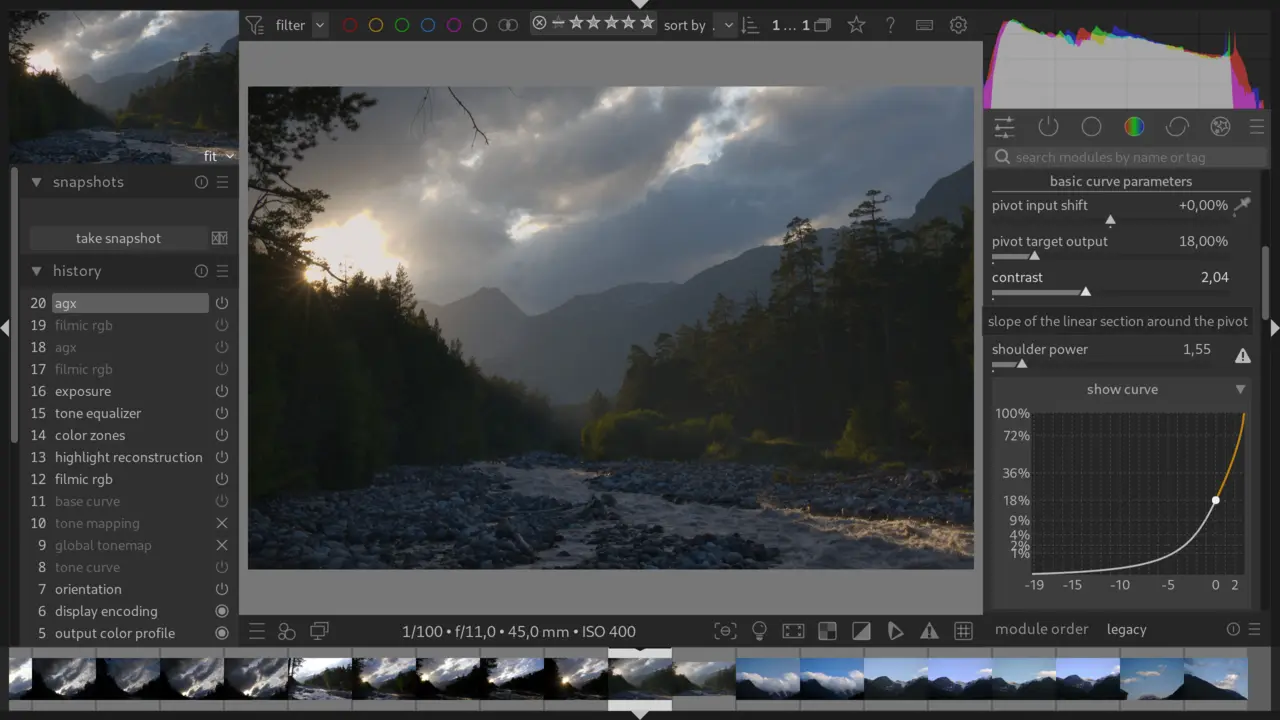
The team recently merged a patch by Kofa that adds AgX, a new tonemapper originally seen in Blender. This is not the first photography app to use AgX (Saulala is likely the first one), but definitely the most prominent one so far.
There have been several general tonemapper modules before AgX: base curve, followed by several variations of filmic (later renamed to filmic rgb), followed by sigmoid. I specifically do not mention other tonemappers here, as they were intended for use elsewhere in the processing pipeline.
Rather than emulating the film look, AgX aims for colorimetric accuracy and better chromatic consistency across the dynamic range. Kofa explained the mechanics of AgX in darktable early on in a thread on Pixls, I think you should read it if you are interested.
The module has controls for the input data, base and advanced curve parameters, and the look (slope offset, power, saturation, hue preservation).
My personal impression so far is that while AgX provides a lot of control, just like with other tonemappers, the defaults are not great.
On scenes with a wide dynamic range, details in highlights get flat, shadows/blacks get even darker, and hues change regardless of how much hue preservation you apply in AgX settings. Sigmoid and filmic rgb do a similar thing, but at least they don’t touch hues as much.
So, I guess, we’ll have to continue tweaking tonemapping settings quite a bit for the foreseeable future to get to a decent baseline.
RapidRAW 1.4.2
Timon Käch released an update of RapidRAW with several quite useful improvements:
- The Highlights slider doesn’t dull the image as much as it used to
- The Exposure slider doesn’t oversaturate and overexpose as much as it used to
- Exports now can have optional controllable watermarks
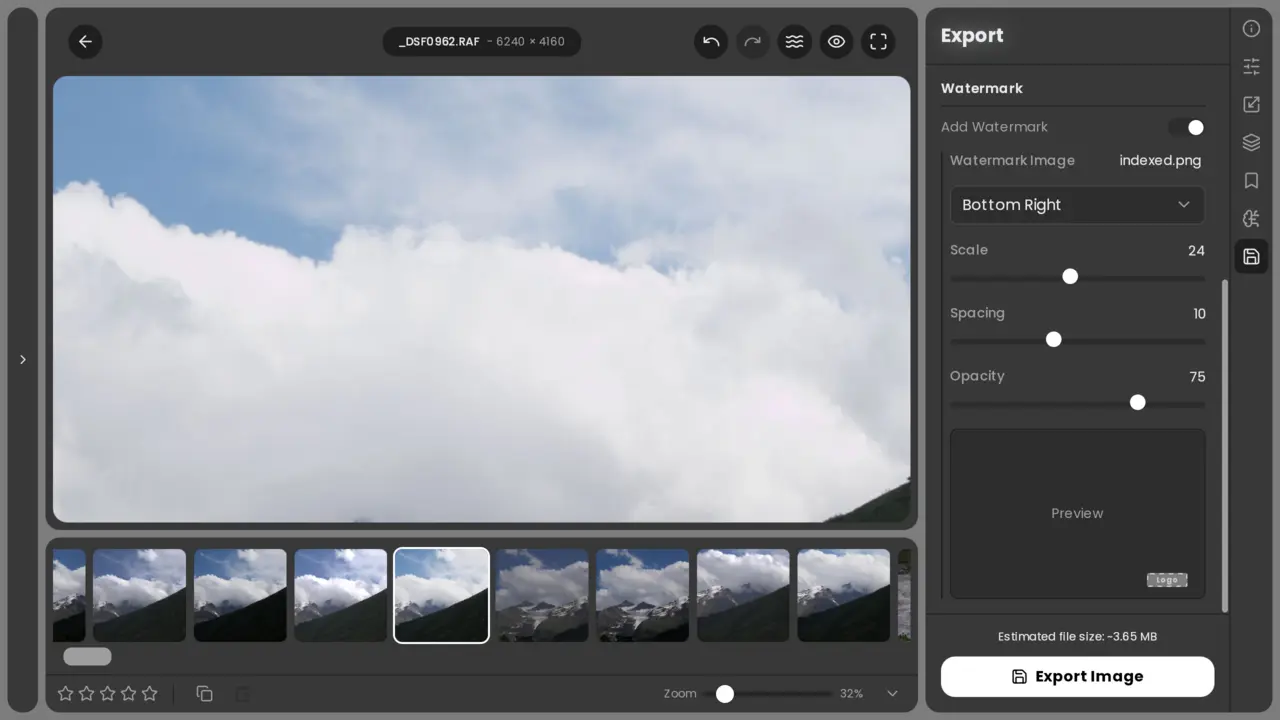
Unfortunately, as you can see, the recent fixes have not improved the situation with pink in overblown highlights.
Nevertheless, here are the usual downloads and release notes.
FreeCAD
A year ago, Paul Ebbers picked up the SearchBar addon, originally created by Suzanne Soy, and started improving it. This is what you know from applications like Blender, GIMP, Olive and probably many others. Paul now proposes to include it in FreeCAD 1.2.
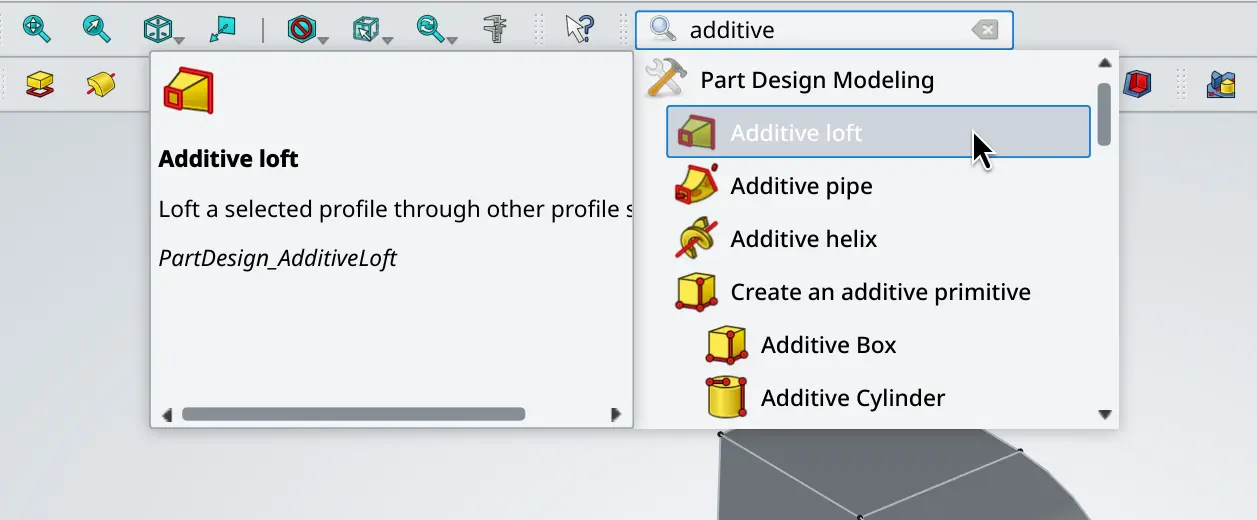
There’s also a pretty substantial patch by tarman3, adding numerous Array command improvements in CAM. It’s currently in draft and will likely be merged for v1.2 as well.
The release blocker needle is slowly moving towards zero and is currently at 27 remaining blockers. It may take a few more months to go all the way left.
Ardour
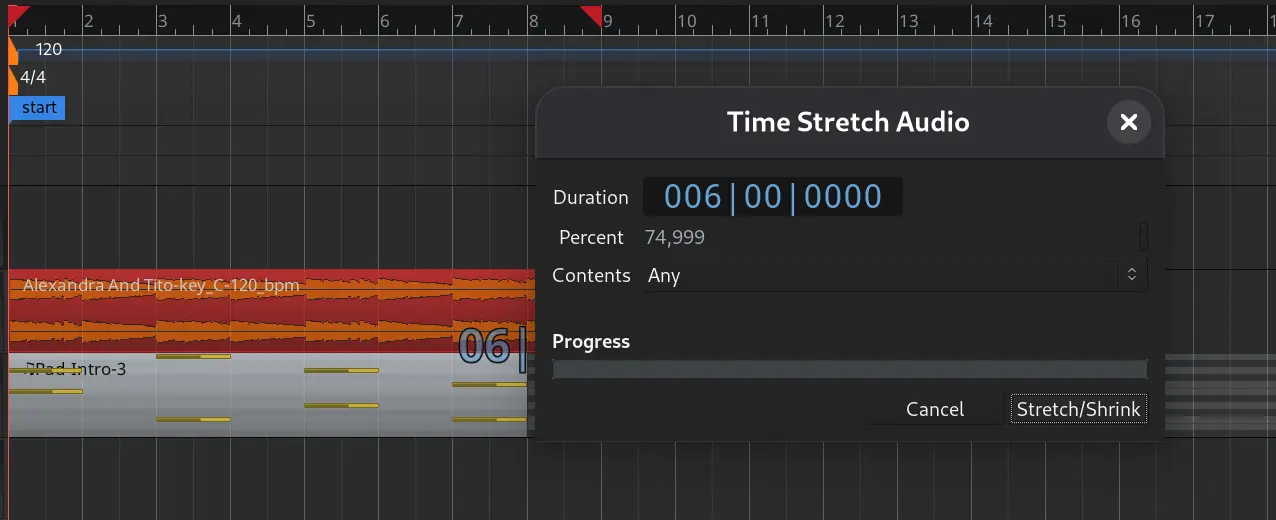
Robin Gareus investigated the StaffPad’s audio stretcher now used by Audacity, found that it works better than Rubberband in some cases, and added it as an “Any” option in the Time Stretch tool.
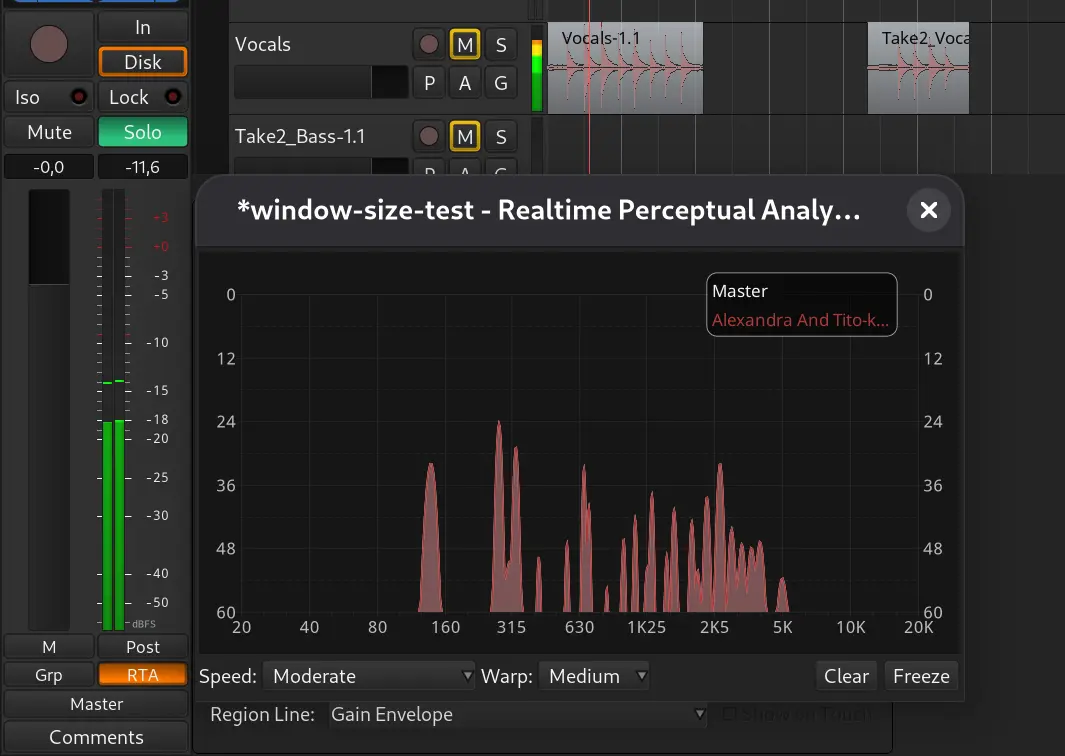
Mixer channels now have an RTA (real-time analyzer) toggle:
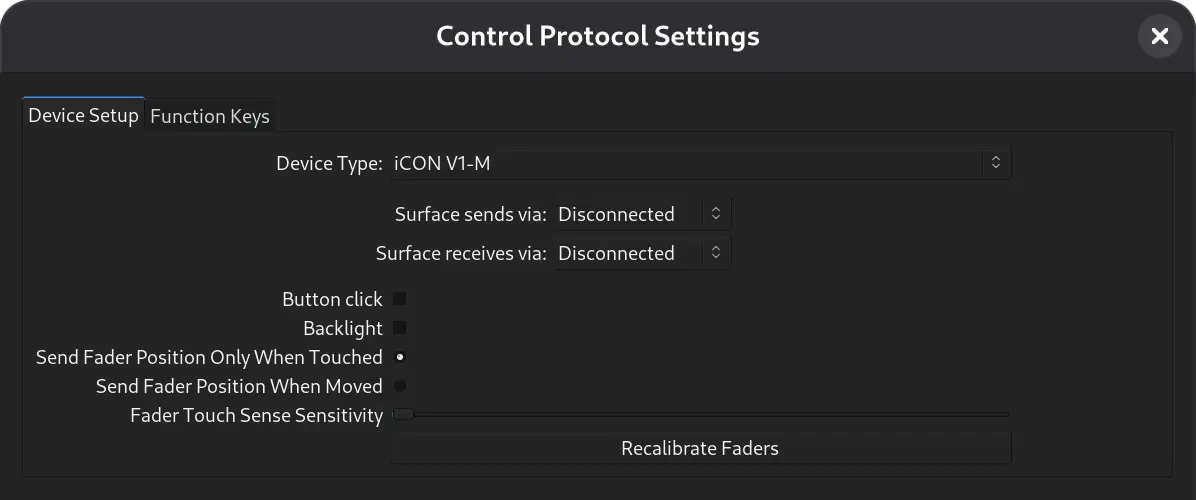
Finally, Ardour now has support for the iCON V1-M controller, contributed by one of the Mixbus developers.
MIDI CC & NRPN database
This is a recent find of a not-too-recent project. Ben Fox started working on a database for MIDI CC & NRPN of various hardware synths, samplers, etc., and 24 contributors joined over the years. If you have one of the supported devices and need to control it from the DAW, this may come in handy.
All the information lives in CSV files on GitHub and is available under the terms of the CC-BY-SA-4.0 license. You can contribute new descriptions to help make the information more discoverable for other users.
Artworks
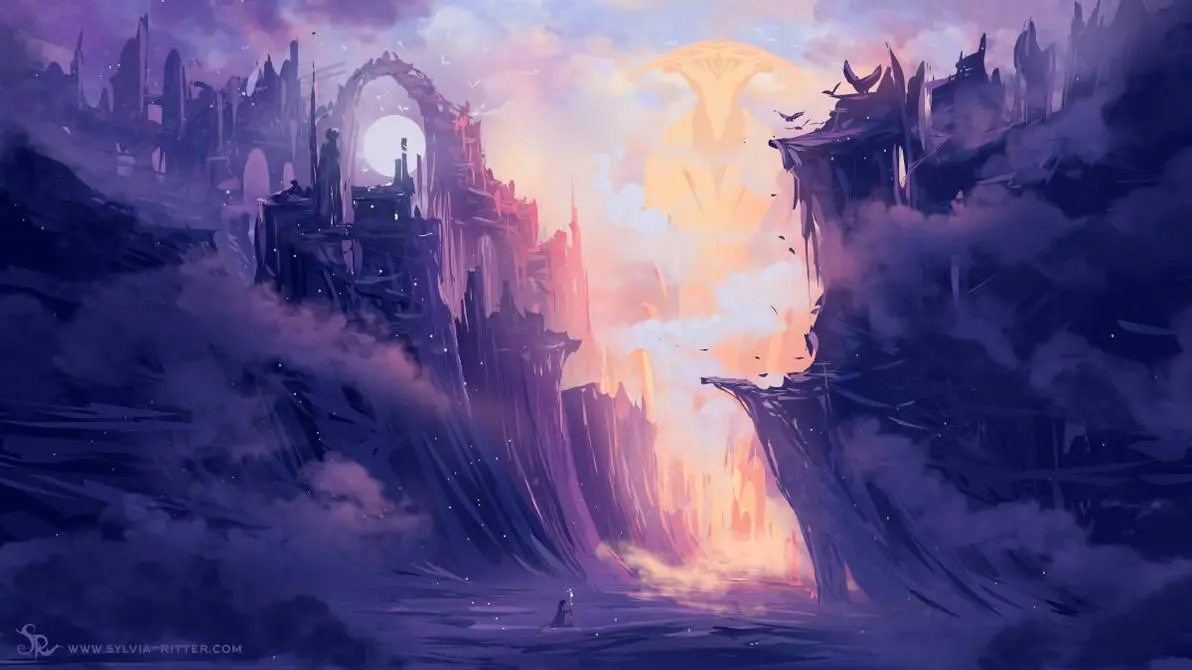
Silent Sunday artwork by Sylvia Ritter, made with Krita:
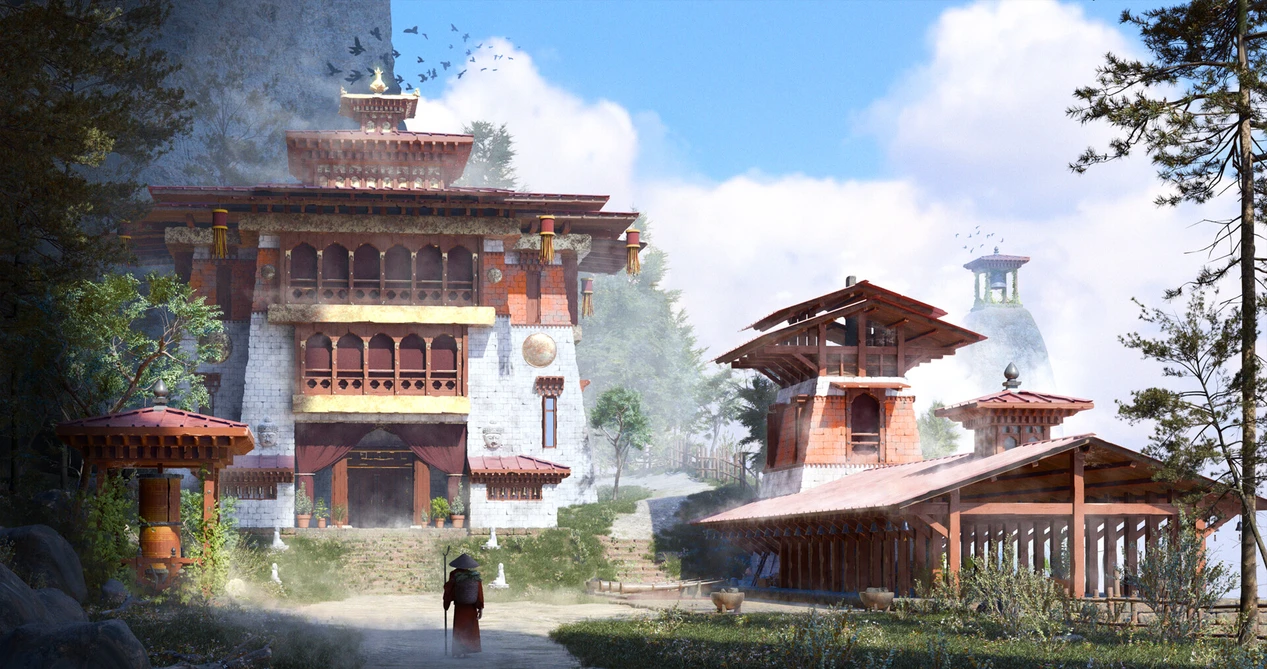
The Old Tibetan monastery by Maxim Petrov, made with Blender and Photoshop:
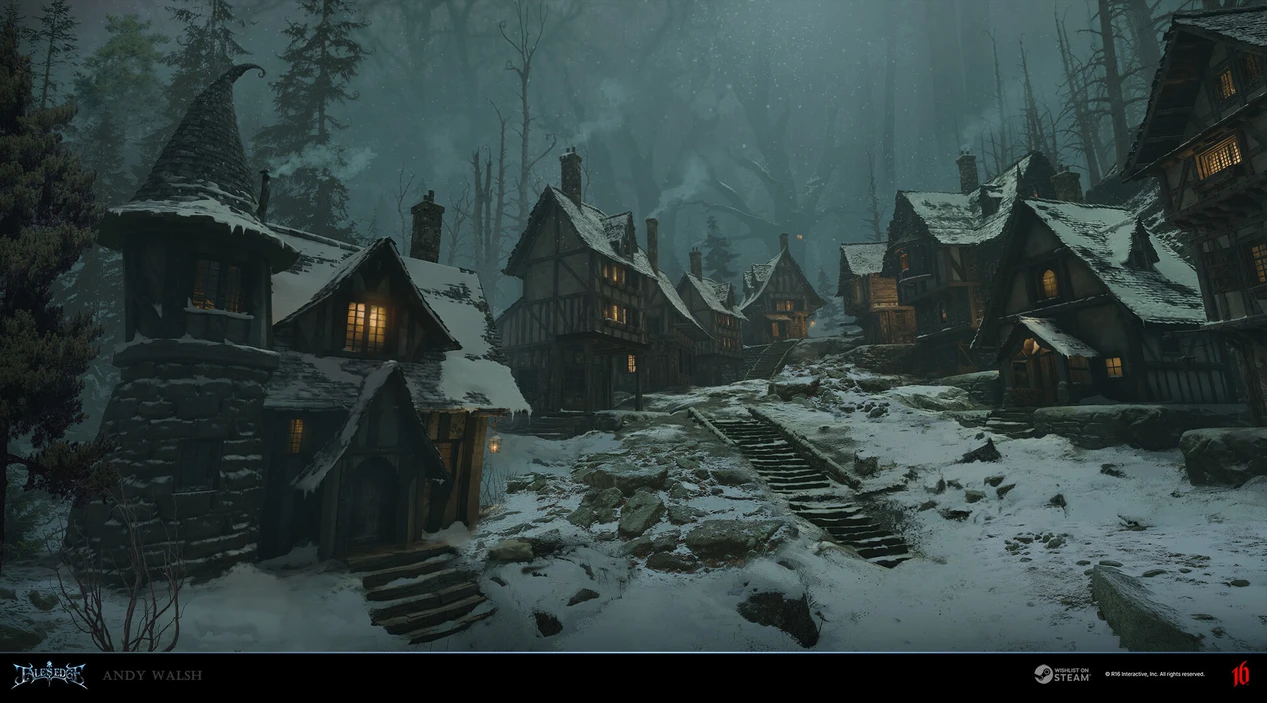
Tale’s Edge – Snowy Woodland Village by Andy Walsh, made with Blender, 3DCoat, and Photoshop:
-
siliconpr0n.org
An Integrated Circuit (IC) Reverse Engineering (RE) Wiki
-
LibreDJ
A 4 Deck DJ Software for Linux in the making
-
Weekly recap — 5 October 2025
Week highlights: new features in GIMP and Inkscape; new release of MuseScore Studio, first alpha release of Audacity 4.
GIMP
Here is some of the ongoing work:
- Jehan is reorganizing the Align/Distribute tool options. Probably not a final implementation, as the discussion about UX keeps going.
- Jasper is adding new text orientation options: 90° clockwise and counterclockwise rotation.
Additionally, Gabriele contributed a new Preferences option to disable the use of the TAB key to switch all dockable windows on and off. This is one of the maddening aspects of using GIMP for new users who press the key by accident and then struggle to figure out why all the docks have suddenly disappeared and how to bring them back.
Personally, I think the proposed patch is more of a workaround. All shortcuts should be configurable; singling one of them out and adding a dedicated switch in Preferences doesn’t seem like a consistent solution to me. Plus, bringing docks back should not be puzzling in the first place. On the flip side, I’m definitely biased here.
All of the above are unmerge patches at the moment.
Inkscape
Some fun things are happening in Inkscape:
- Martin Owens is enhancing the rendering engine so it can work with floating pixel data and a greater number of color channels (think support for CMYKA).
- Mike Kowalski is adding a character viewer to the font dock.
BCON 2025
The Blender Foundation has published all the videos from the Blender Conference 2025 on YouTube and Peertube. With over 80 videos in the playlist, there’s something for everyone: architectural visualization, production of animated TV series, simulating real-world camera lenses, recreating historical and cultural legacy, and so much more.
FreeCAD
You know how much I love digging into arcane pull requests and showing exciting new features and quality-of-life improvements. So believe me when I tell you that there is nothing more exciting right now than seeing the number of v1.1 release blockers go down. If the trend continues, a release candidate in November would not be entirely unrealistic.
At the same time, the pile of post-1.1 work just keeps growing. 229 out of 256 submitted pull requests are now scheduled for inclusion in version 1.2. Sure, some of them are in Draft, but I can absolutely see the team pulling double code review shifts shortly after the v1.1 release again.
Among other “fun” things, the team recently had to discuss how they should deal with AI-generated patches.
MuseScore Studio 4.6
The new version comes with many improvements and new features. Many of them are already covered in the release video:
Release highlights:
- A metric ton of engraving improvements and fixes.
- You can now use any SMuFL-compliant music font.
- Localised control over showing and hiding empty staves.
- Duration and velocity control in real-time note preview is now available.
- Numerous guitar-specific improvements, such as engraving support for hammer-on, pull-off, and tapping techniques.
- Brand-new Handbells palette and playback with MuseSounds.
- VST3 support on Linux.
A bit silly to use OpenStrings (Rhapsody) when you have MuseSounds around, but just to show a VST3 plugin actually working:
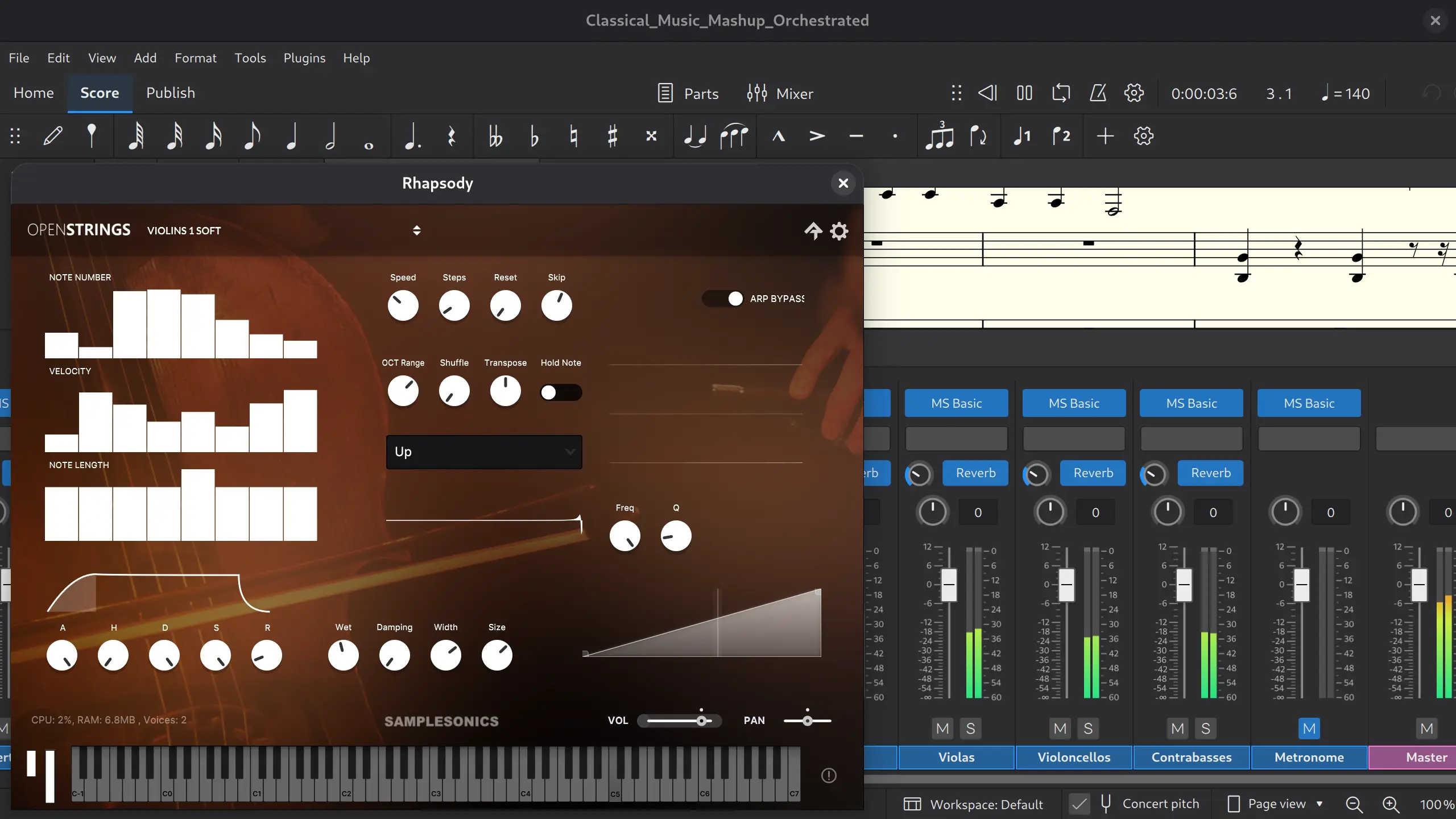
See here for a more complete list of changes and download links.
Audacity 4 alpha1 and the video
Muse Group also released a technical preview of Audacity 4, the upcoming new release with the user interface completely reimagined and rebuilt with Qt. The important thing is not to expect this version to be production-ready yet. Or the project files to be backward-compatible.
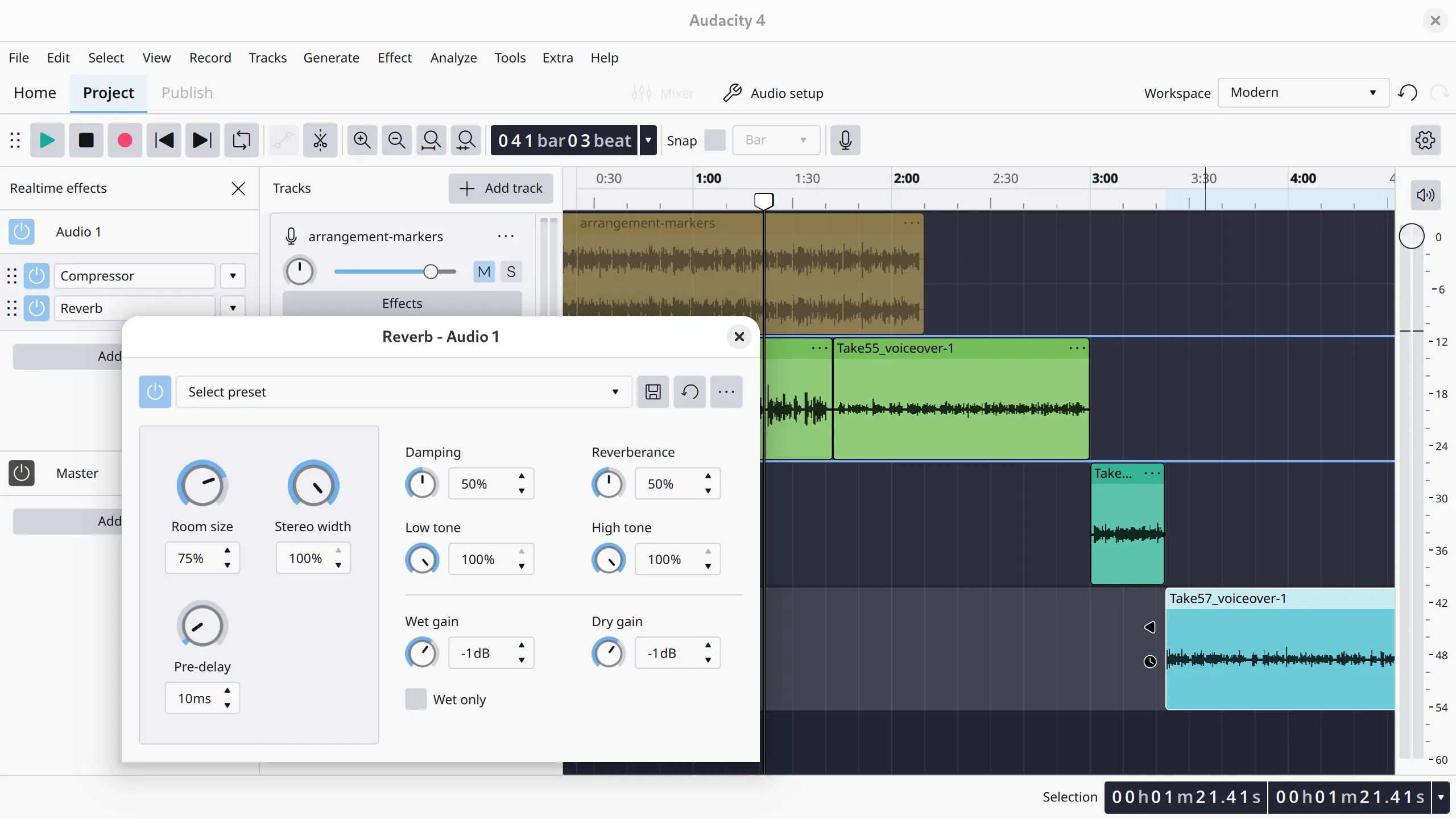
Things like importing/exporting audio, cutting, and applying real-time effects already work. Here is the list of v3 features that are not there yet:
- Nyquist, LADSPA, VAMP, and the OpenVINO plugins.
- Preferences from Audacity 3 are not carried over.
- Envelopes and label tracks.
- Spectrogram view and the spectral editing mode.
- Most built-in effects, including generators and analyzers.
- Opening multiple projects at the same time.
You should also probably expects the mixer to be available in v4. Automation is planned but won’t happen in the first v4 release though.
Notably, some of the missing features from the list above will likely not function exactly as they do in v3 today. My gut feeling is that envelopes and spectral editing are likely to undergo redesign. Martin specifically mentioned envelopes in the video he published several days ahead of the release:
The video focused on the various types of debt that the team inherited from the original team and how they addressed them. That list of debt includes the logo, and it’s a topic of its own.
Over the last 25 years, I witnessed dozens, if not hundreds, of logo proposals, because many people were not happy with the original one. I’ve seen symbolic logos, photorealistic logos, and just about everything in between.
Some contributors were adamant that only they have the right vision for the project’s branding. Others were very much self-aware (“Here’s yet another unsolicited logo redesign to add to the pile“). So it’s very tempting to smirk when you read things like “just deliver a logo people like” in the comments section at The Verge.
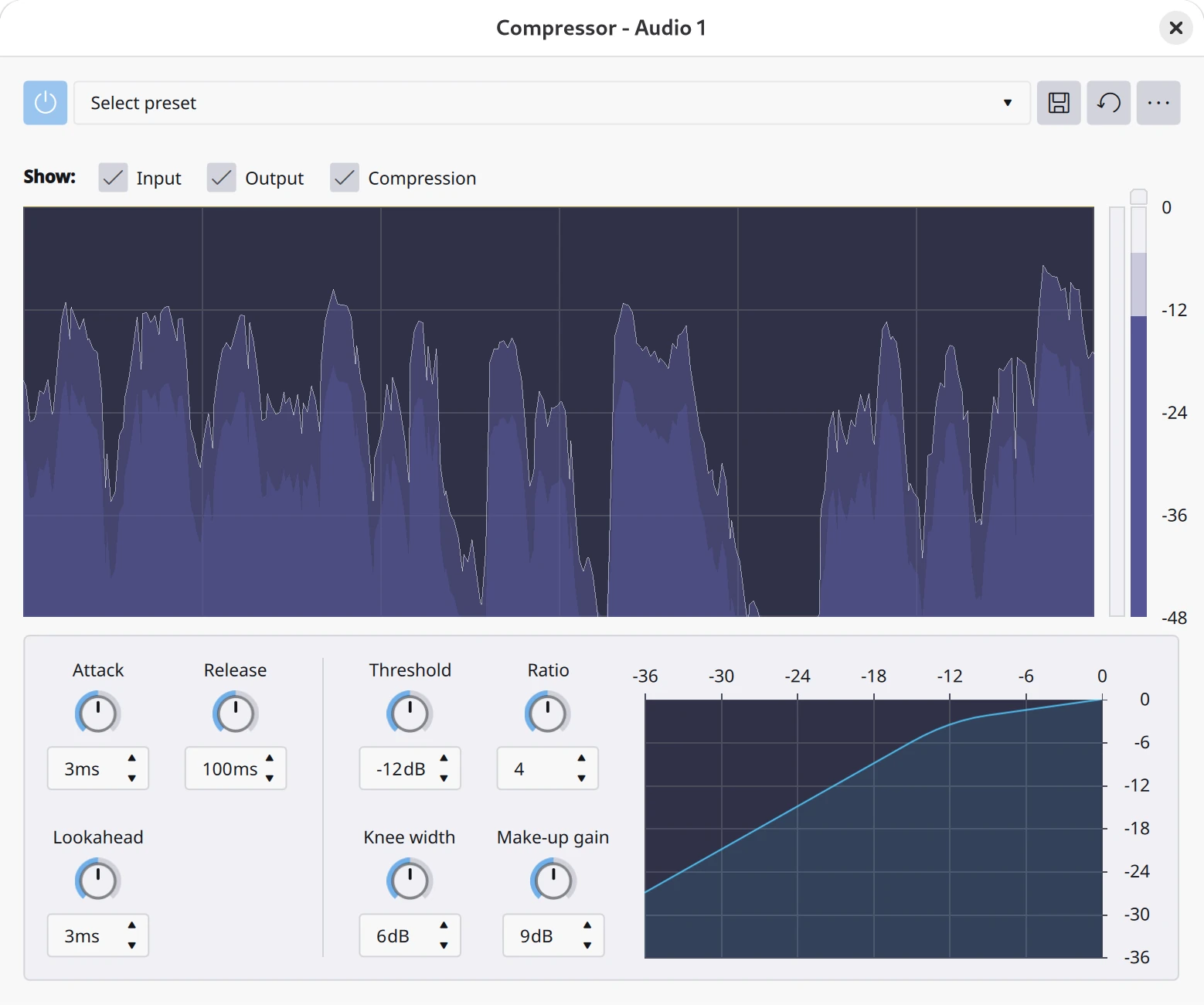
All in all, I feel it’s somewhat premature to comment on the new Audacity. There are aspects that I absolutely love. There are things I’m just not too sure about. Like the lack of grid lines above waveform visualization in tracks. Or some of the user interface being bloody enormous, like this built-in compressor plugin window:
So let’s wait for the final version to arrive. The current estimation is sometime in 2026.
Artworks
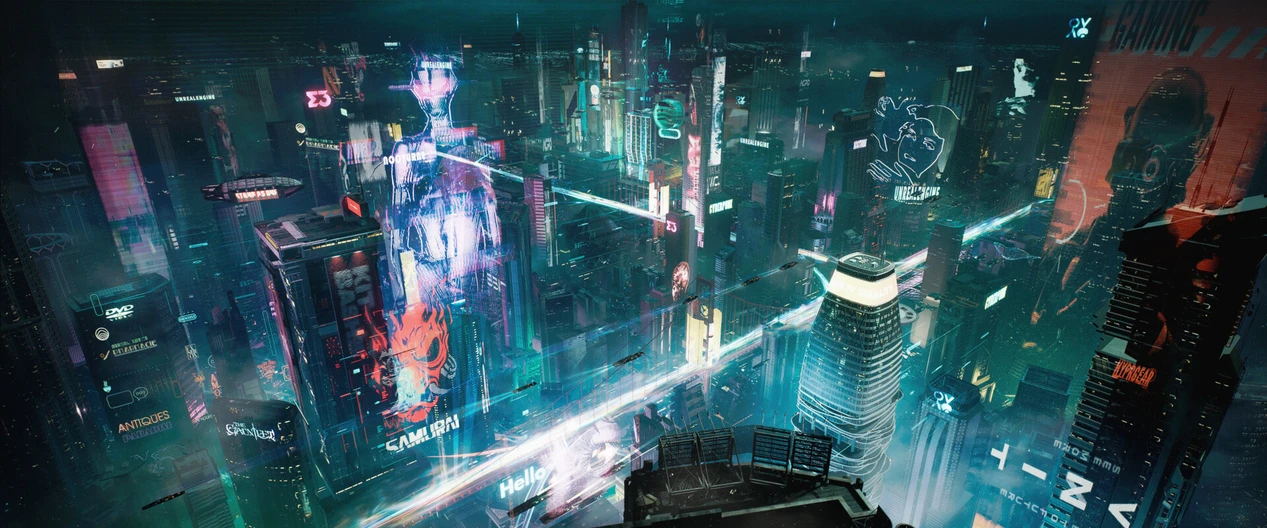
Cyberpunk 2077 fan art by 長門ゆき, made with Unreal Engine, Blender, and Photoshop:
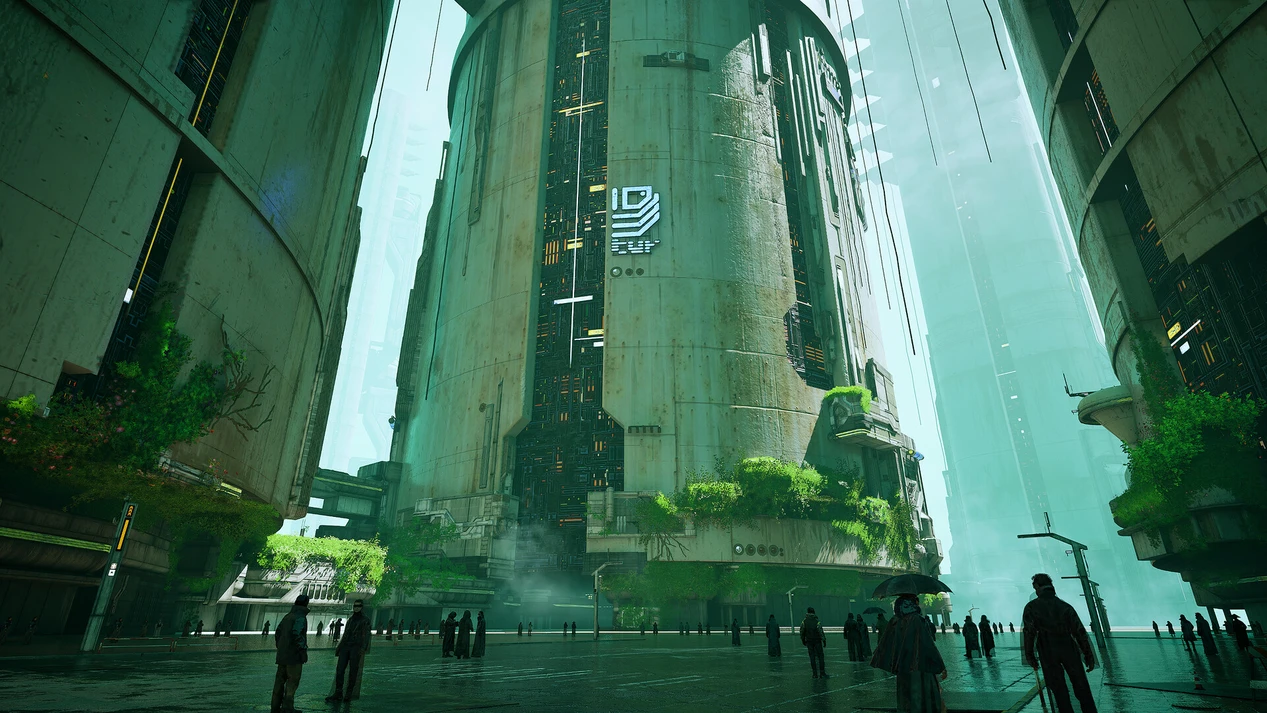
Echo City by UE班的小学生_Cgerjia, made with Substance 3D Designer/Painter, Unreal Engine, and Blender:
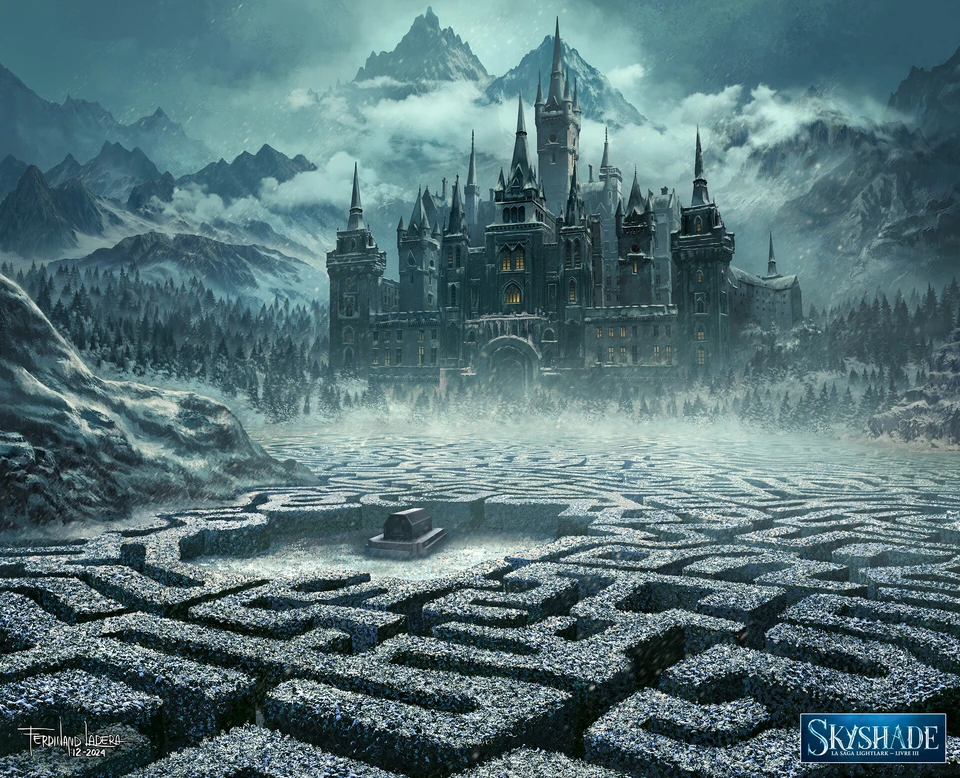
Skyshade: La Saga LightLark by Ferdinand Ladera (for Alex Aster’s recent bestseller), made with Blender and Photoshop:
-
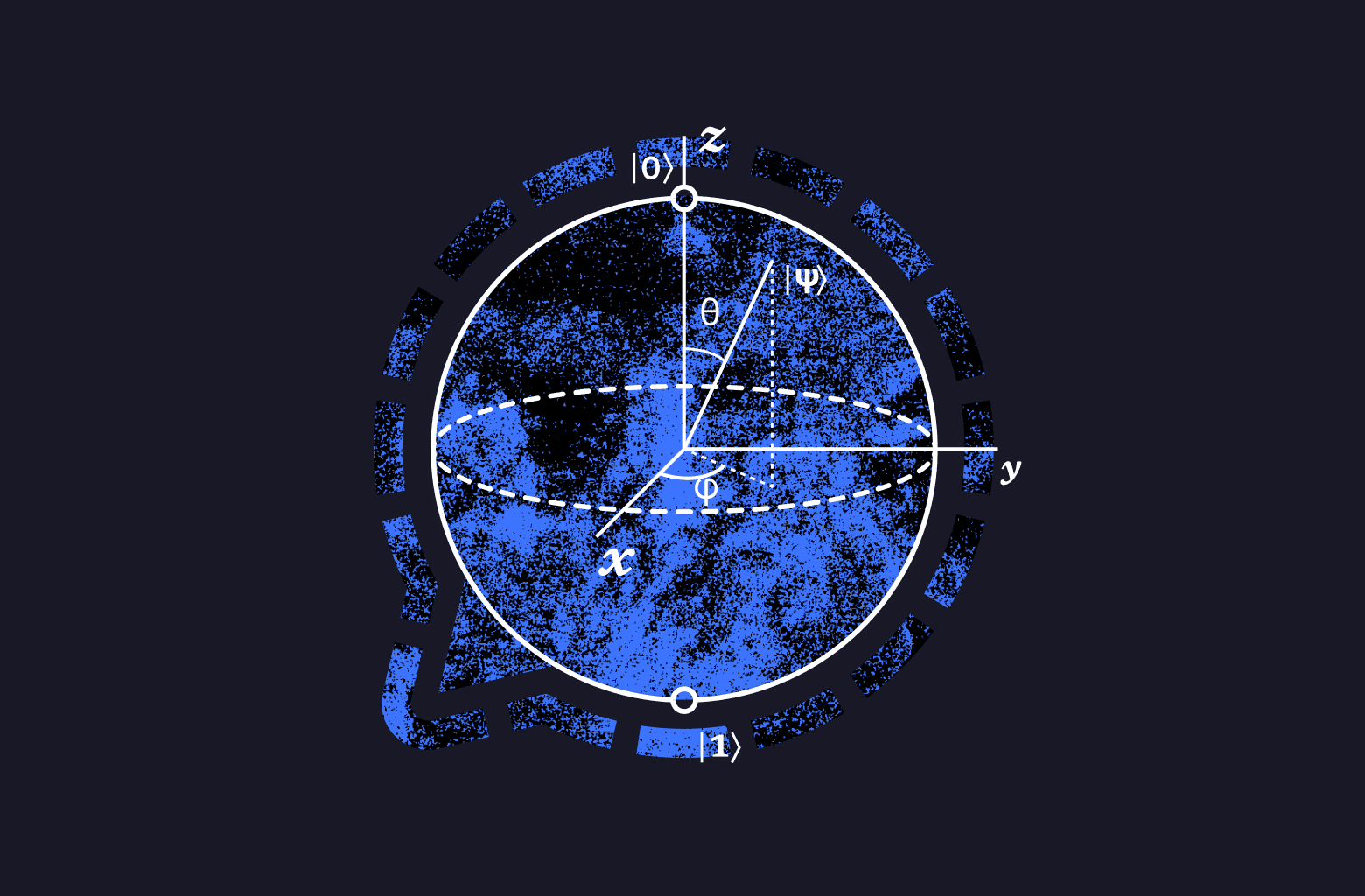
Signal Protocol and Post-Quantum Ratchets
We are excited to announce a significant advancement in the security of the
Signal Protocol: the introduction of the Sparse Post Quantum Ratchet (SPQR).
This new ratchet enhances the Signal Protocol’s resilience against future
quantum computing threats while maintaining our existing security guarantees of
forward secrecy and post-compromise security. -
Weekly recap — 28 September 2025
Week highlights: new releases of Krita, RapidRAW, and Gradia; MIDI strumming in Ardour.
Krita 5.2.13
The Krita team released a bugfix update. Some of the notable fixes are targeted at users of Android and devices with touch input:
- Background saving has been revamped
- Devices running Android v15 with a lot of memory are now supported.
- The Transform tool now works with touch input.
See here for a more complete list of changes.
RapidRAW 1.4.x
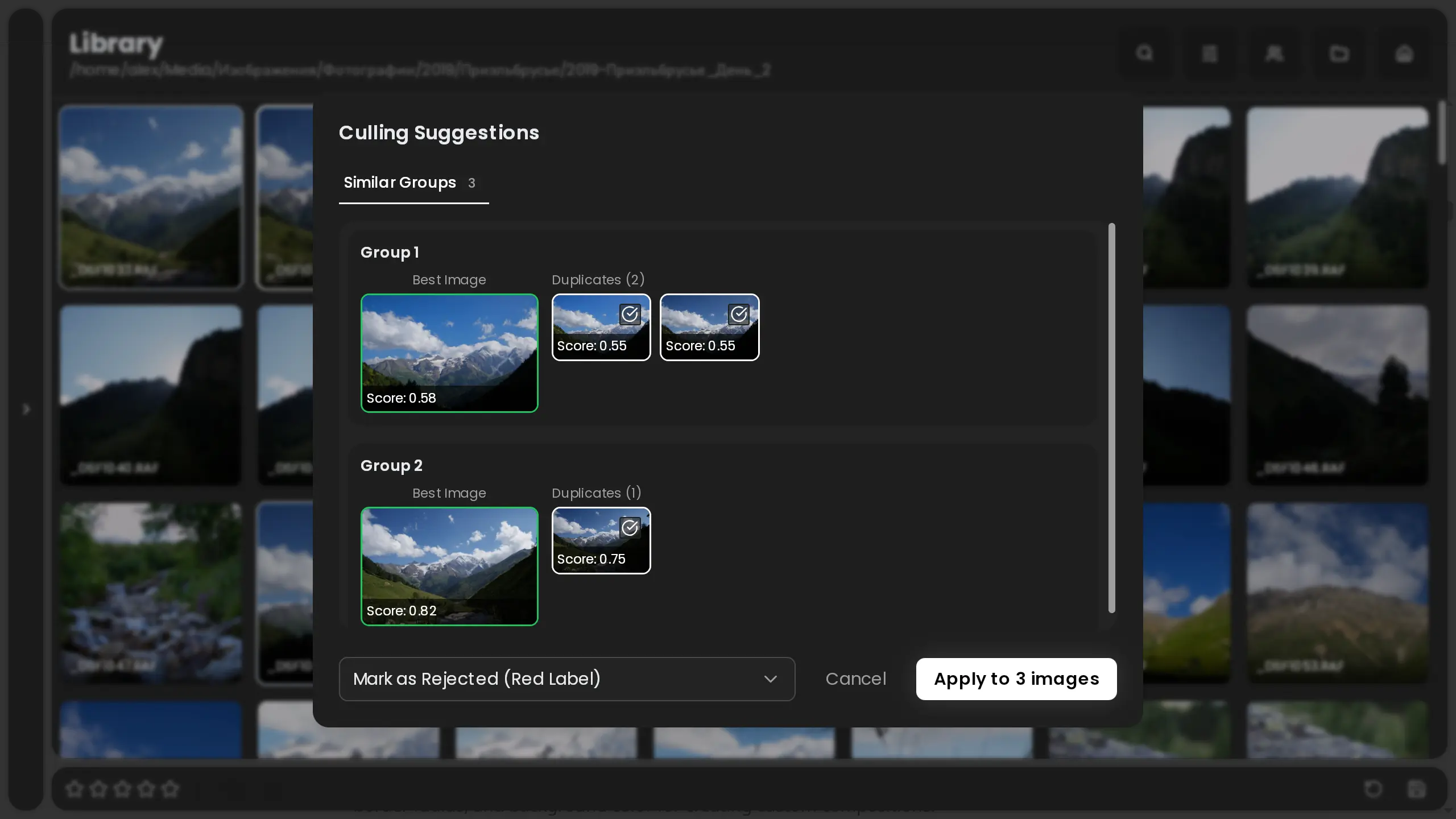
New RapidRAW releases now take longer, but the pace is still impressive. This version features several notable enhancements. I’ll take a deeper dive in a separate post, so here is the list of changes:
- Auto-culling to help you detect similar photos and discard blurry ones (in the screenshot below).
- Collage maker that distributes a selection of photos over a configurable grid.
- New color calibration panel hidden by default, for tweaking hue and saturation of primary RGB channels.
- Preset importer (says “other common photo editors”, but I don’t see any in the list, just the ones by RapidRAW).
- New section in Settings to select which functionality to show in the UI (this is where you enable the color calibration panel).
- Sorting by Exif data: a small selection of Exif fields is available (Date taken, ISO, Focus length, etc.).
- Major improvement ot local contrast tools.
As usual, downloads and the full list of changes are on GitHub.
Gradia 1.11
Alexander Vanhee released an update to his screenshot annotation tool that is growing into something larger, it seems.
Release highlights:
- At 100% zoom, scrolling the mouse wheel now changes the tool size.
- Highlighter colors are now more transparent.
- Images on the home page now have drop shadows.
- Additional resizing options for tools like Arrow and Rectangle.
- Color and width can now be changed for annotations you already added.
- Image background got some new presets.
- Angle selector on the gradient background tab has been improved.
- Tesseract-based OCR is now available.
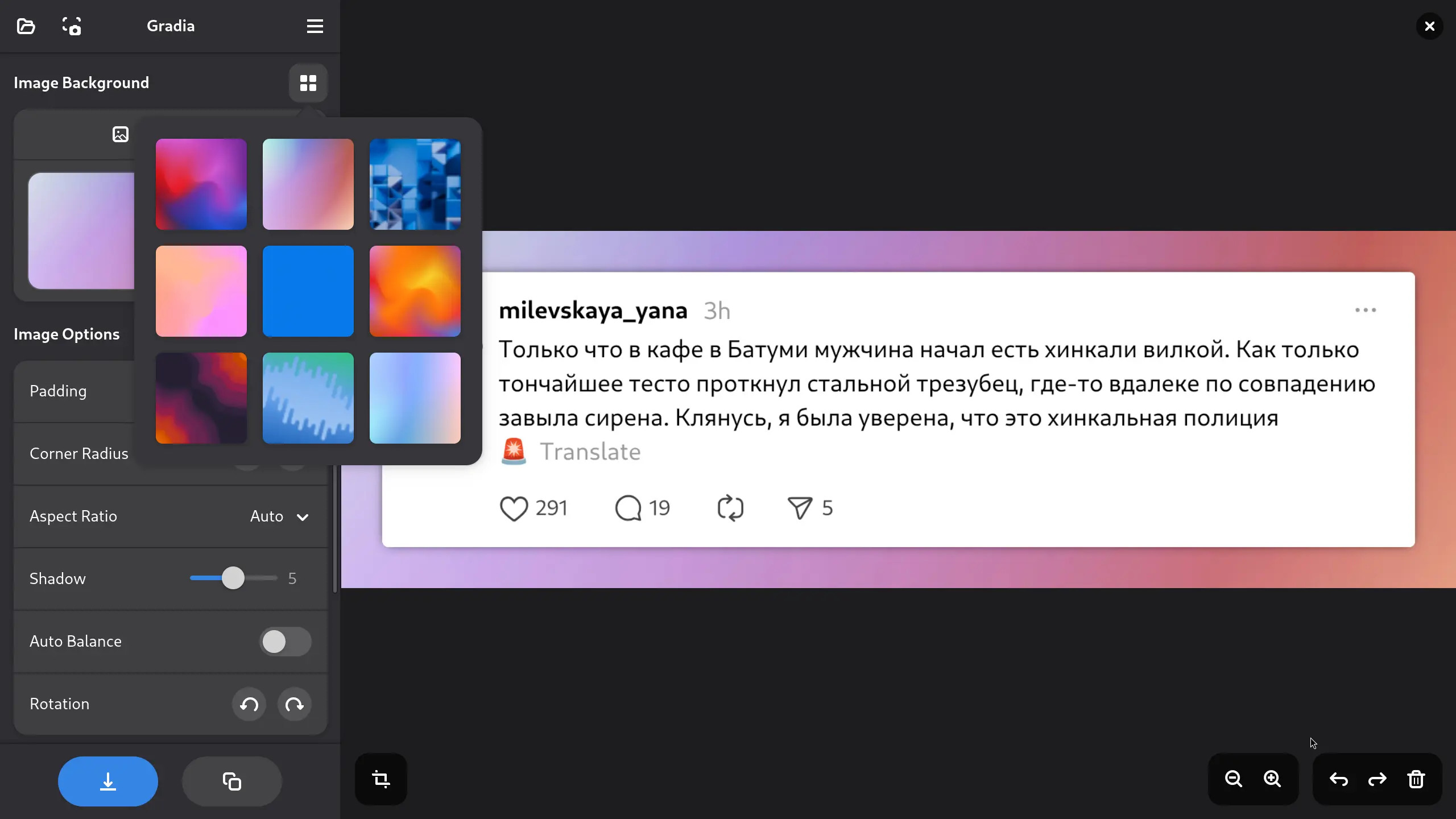
I’d love to include a screenshot of the OCR feature and some of the other new features. Alas, the Flatpak build hasn’t been updated yet, and my custom build is faulty and doesn’t really work. Sorry about that!
Ardour
There’s a lot of under-the-hood work happening, but the team recently merged a patch that adds a simplistic MIDI note strumming feature. It’s nowhere as sophisticated as the MIDI Strum filter by Robin Gareus, but it can be enhanced in the future.
Artworks
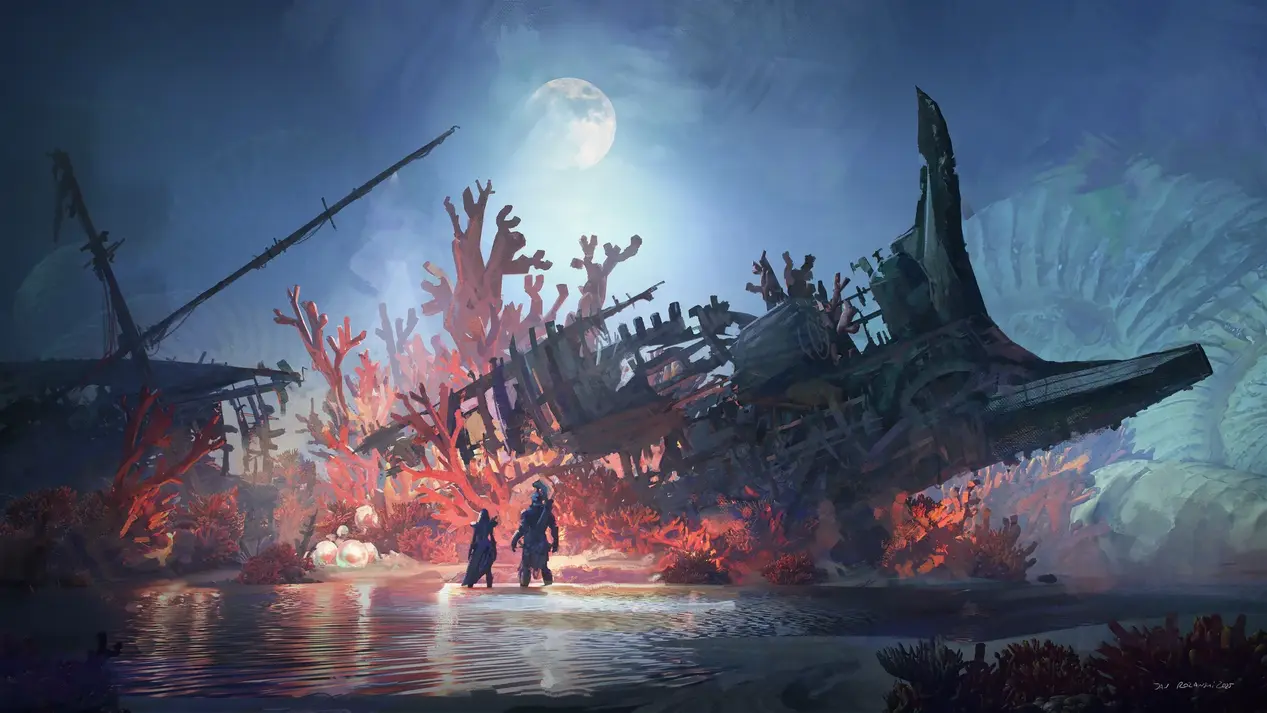
Coral Ship Wreck by Jan Rozanski, made with Photoshop, 3DCoat, and Blender:
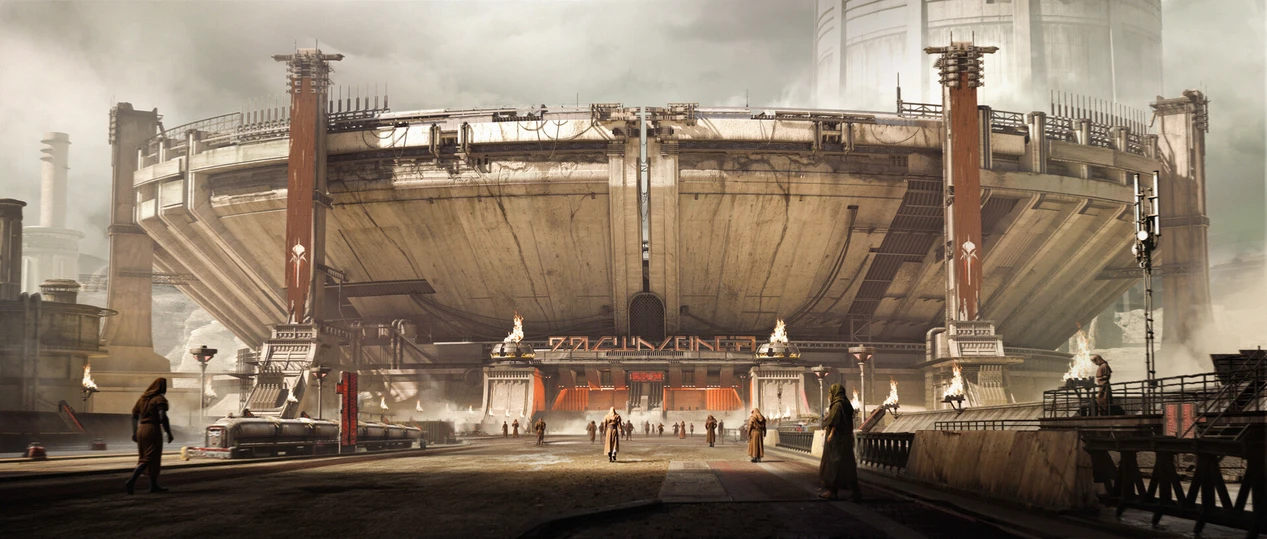
The Gladiators by Ken Li, made with Blender and Photoshop:
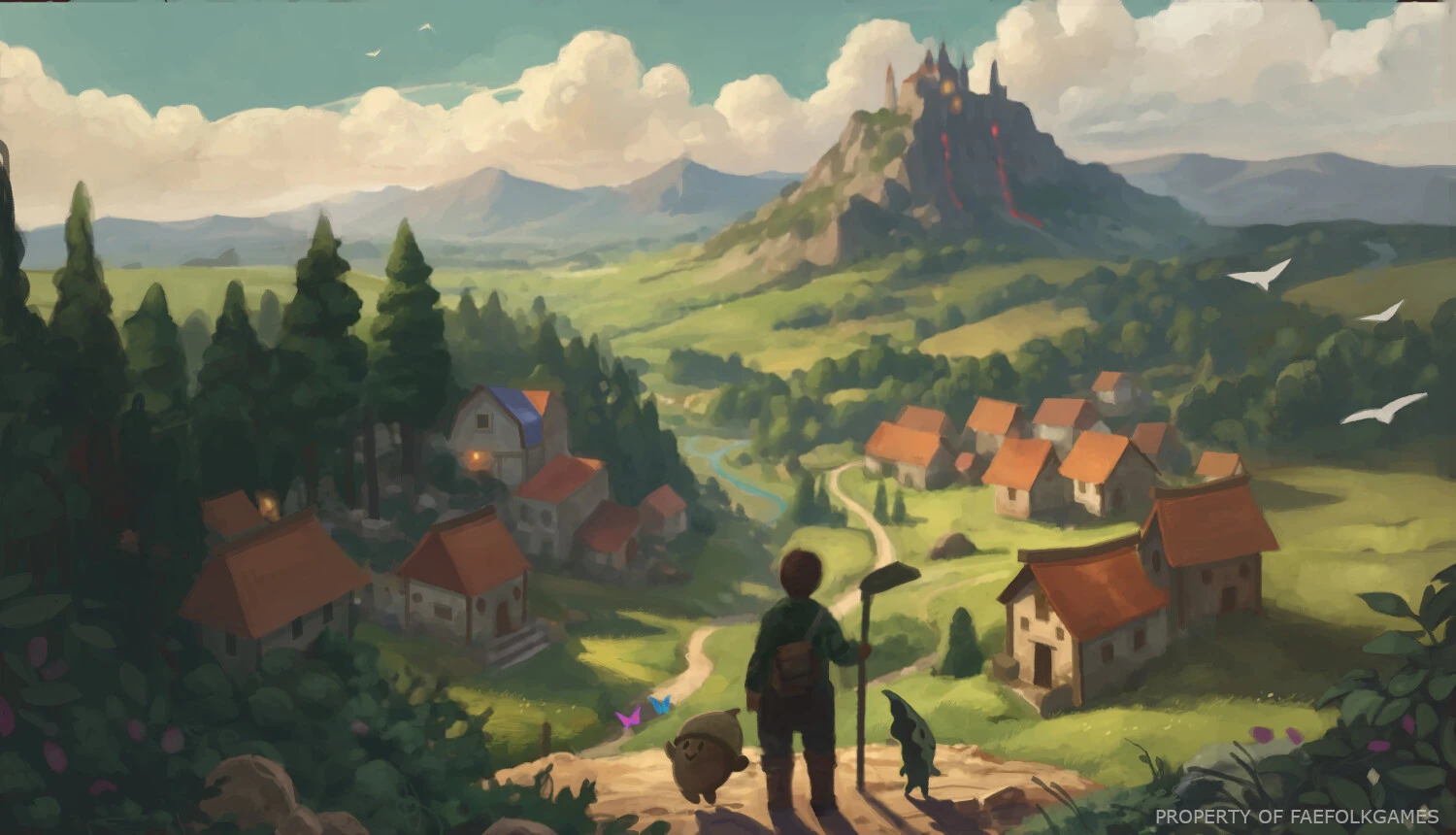
Spirit Hollow by Ignacio Bruno, made with GIMP:
-
The Four Horseman of the Woo-pocalypse join President Trump to spread autism pseudoscience and quackery
On Monday, the Four Horsemen of the Woo-pocalypse joined President Trump to blame autism on acetaminophen use during pregnancy. They couldn’t resist adding antivax misinformation as well.
The post The Four Horseman of the Woo-pocalypse join President Trump to spread autism pseudoscience and quackery appeared first on RESPECTFUL INSOLENCE.
-
Weekly recap — 21 September 2025
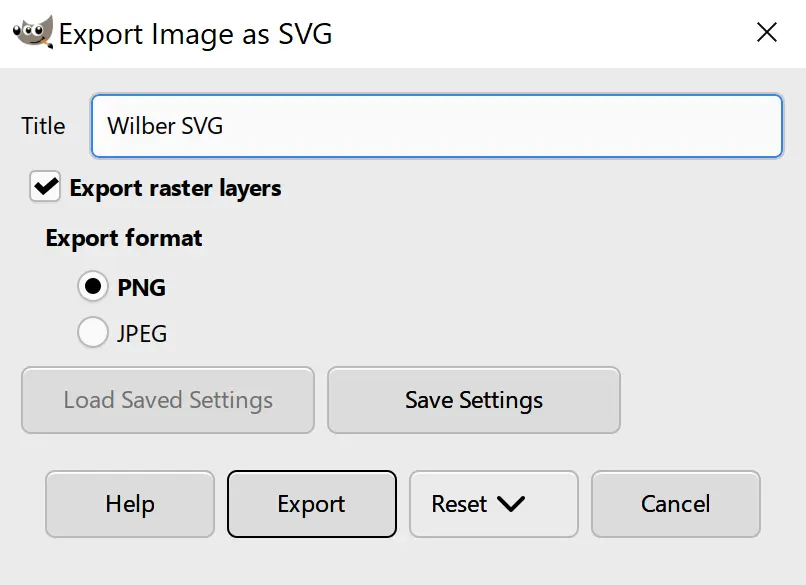
Week highlights: GIMP is getting an SVG exporter; Ton Roosendaal is stepping down as executive director of Blender Foundation; Kdenlive is planning exciting new features, FreeCAD is launching a bughunt for v1.1.
GIMP
CmykStudent started working on an SVG exporter plugin. Most of the work has been done: the plugin can export both vector, text, and bitmap layers, as well as layer groups. The merge request currently lists exporting options in the user interface and code cleanup as the missing bits. However, the exporting dialog already allows you to choose how you want to deal with bitmap layers.
Blender
The major news is that Ton is stepping down as the executive director of Blender Foundation and moving into a newly introduced advisory board.
Just as in any good organization, the transition was planned well in advance and began years prior, in 2019.
Ton was also recently interviewed by folks from the Bad Decisions Studio, check it out: https://youtu.be/hx3lnDHeqKs
On the same day, the Blender Foundation released its annual 2024 report. Financially, the foundation appears to be in a stronger position than the year before that, and judging by recent sponsorship announcements, the 2025 fiscal year will be even better.
It could be fun to slice the data over the years, but to give you an idea, the budget has grown from €958K in 2019 (the first time they published a report) to €3.1mln in 2024. That makes a solid average increase of ~26.5% year over year.
FreeCAD
The team has announced that the feature freeze for v1.1 is now on. Small UI changes are still allowed until October, but it’s basically bugfix time. As of today, there are 44 release blockers in the issue tracker.
The previous time, it took the team nearly 5 months to clean up this dreadful queue, as new blockers kept pouring in. If that’s how things will go this time, the final release is likely to happen in early 2026.
Kdenlive
The team did a development sprint in Berlin at the aKademy conference in early September and recently posted a recap and future plans. Highlights:
- Jean-Baptiste Mardelle got an NLnet grant to implement dopesheet for users who do a lot of animation.
- Ongoing and upcoming menu and terminology changes (Project Bin -> Media, Render -> export, etc.).
- Various monitor changes.
- Upcoming switch to KDDockWidgets for docking panels in the program.
- Animations for the titler (technical discussions still ongoing).
See here for details.
Artworks
Sword of the Sea – Crystal Zone by Eytan Zana, made with Blender and Photoshop:
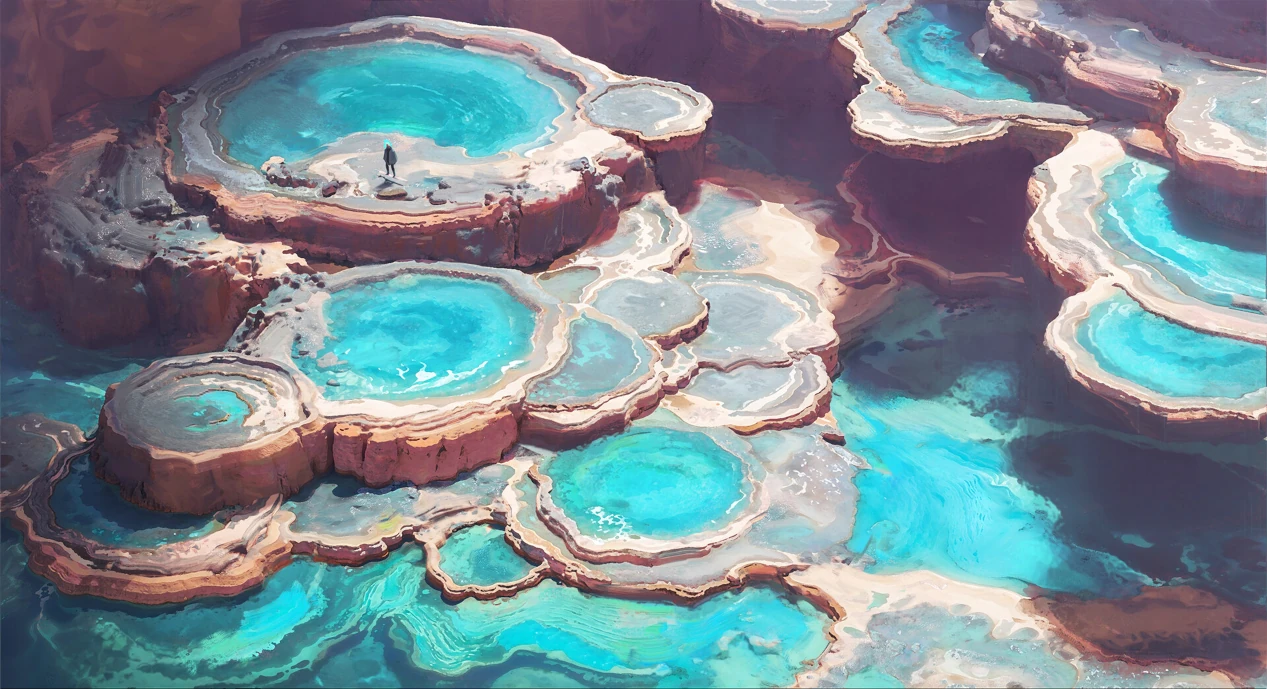
Strong Pamukkale vibes there!
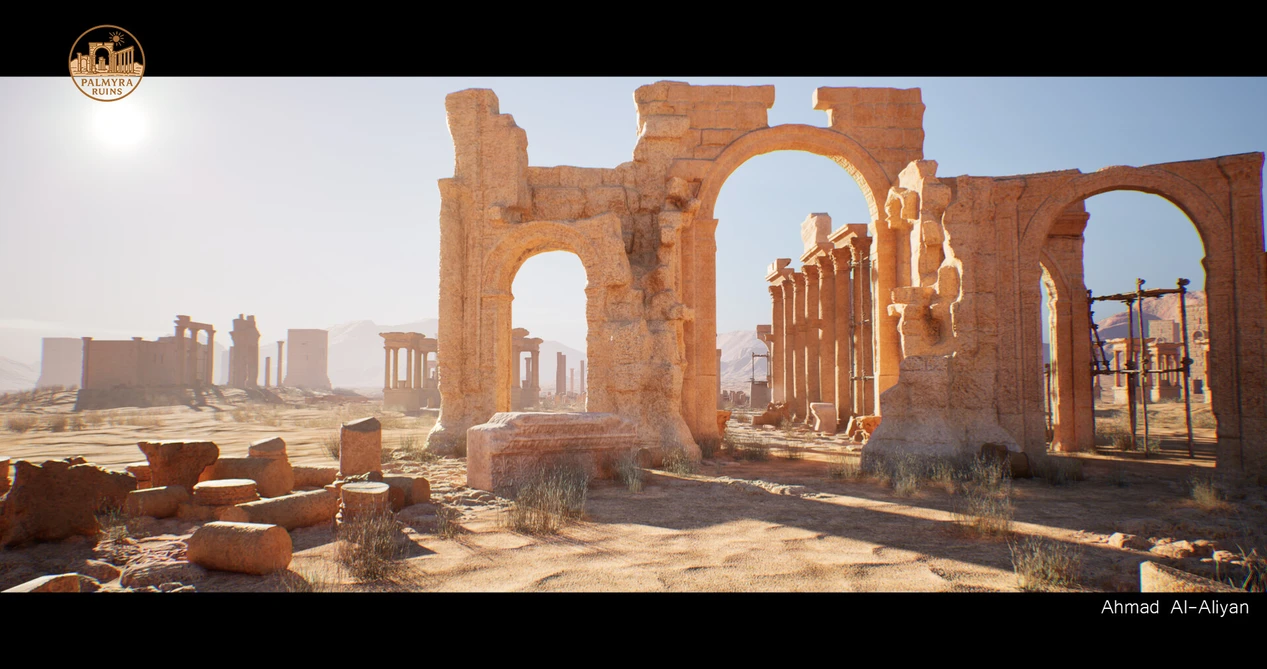
Desert Ruins Palmyra by Ahmad Al-Aliyan, made with Maya, Blender, Zbrush, and more. It’s a large project with 20 renders, including ones that apparently depict a relief of Queen Zenobia.
[ASTRAVALE] Center of Resonant Astrum by Kan Rongrueangkul, made with Blender and Photoshop:
![[ASTRAVALE] Center of Resonant Astrum by Kan Rongrueangkul](https://librearts.org/2025/09/week-recap-21-september-2025/kan-rongrueangkul-center-of-enlightment-page-2.webp)
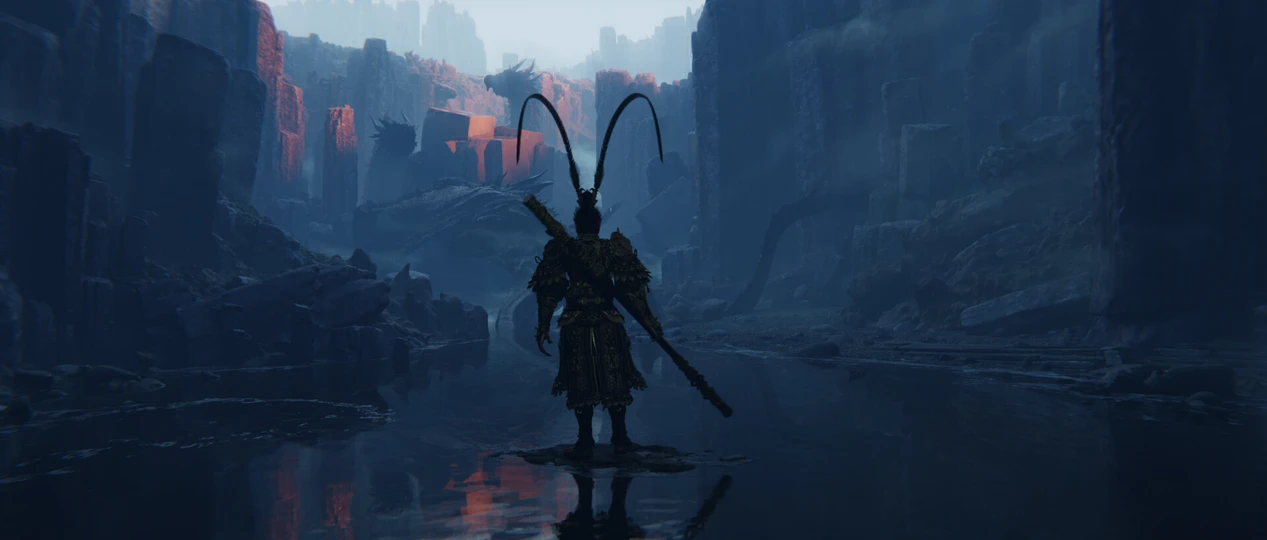
The Monkey King by Aashutosh Patel, made with Blender: