A new life-changing treatment option – GLP-1 drug semaglutide known as Wegovy – is set to be available on the NHS within months, with 1.2 million people with cardiovascular disease eligible to receive the treatment to help prevent heart attacks and strokes over the next few years. People with heart and circulatory disease who are […]
Blog
-
Weight-loss jabs will be offered on NHS for people at risk of further heart attacks
More than a million people in England will start being offered the anti-obesity jab for better heart health and to avoid strokes. -
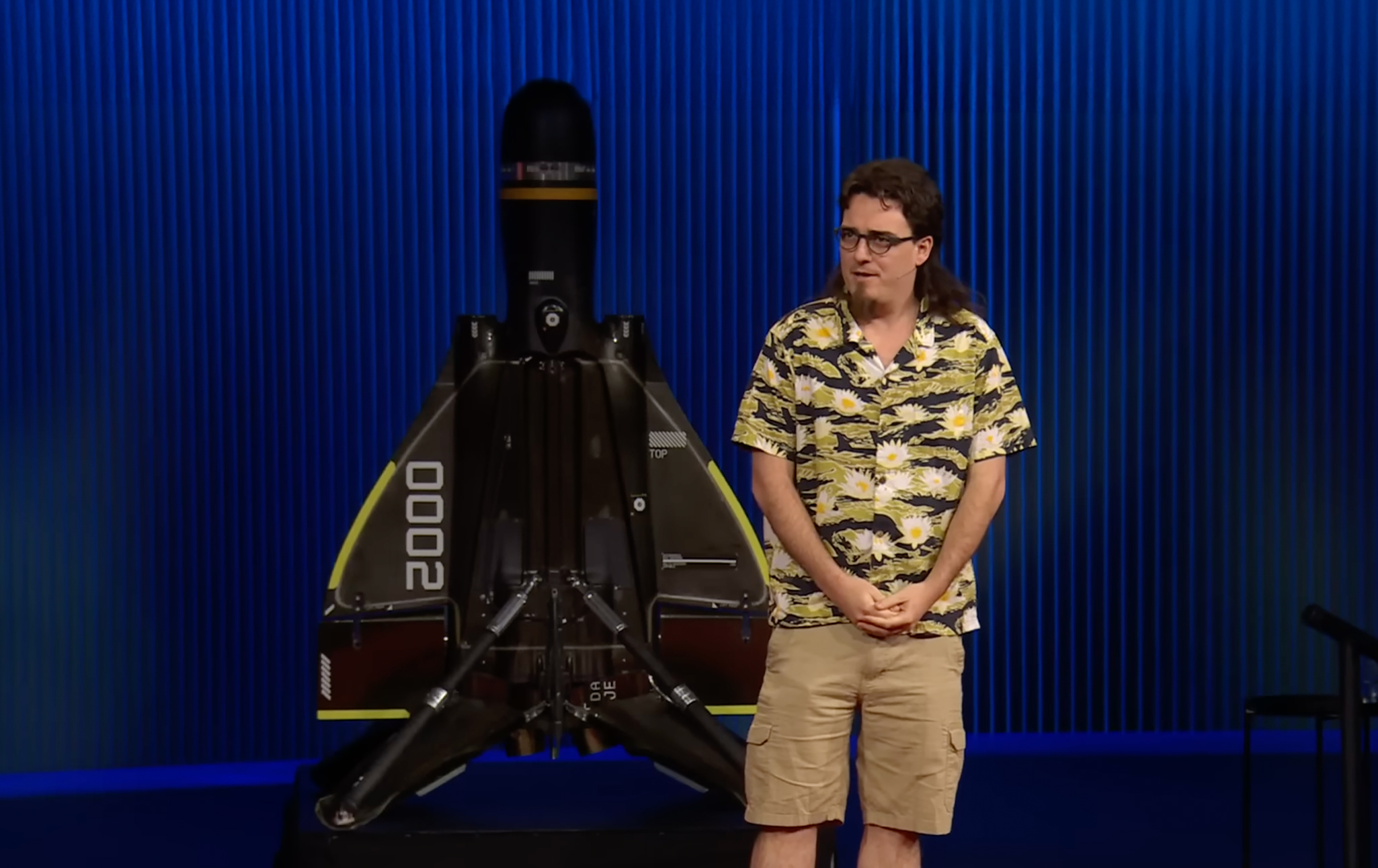
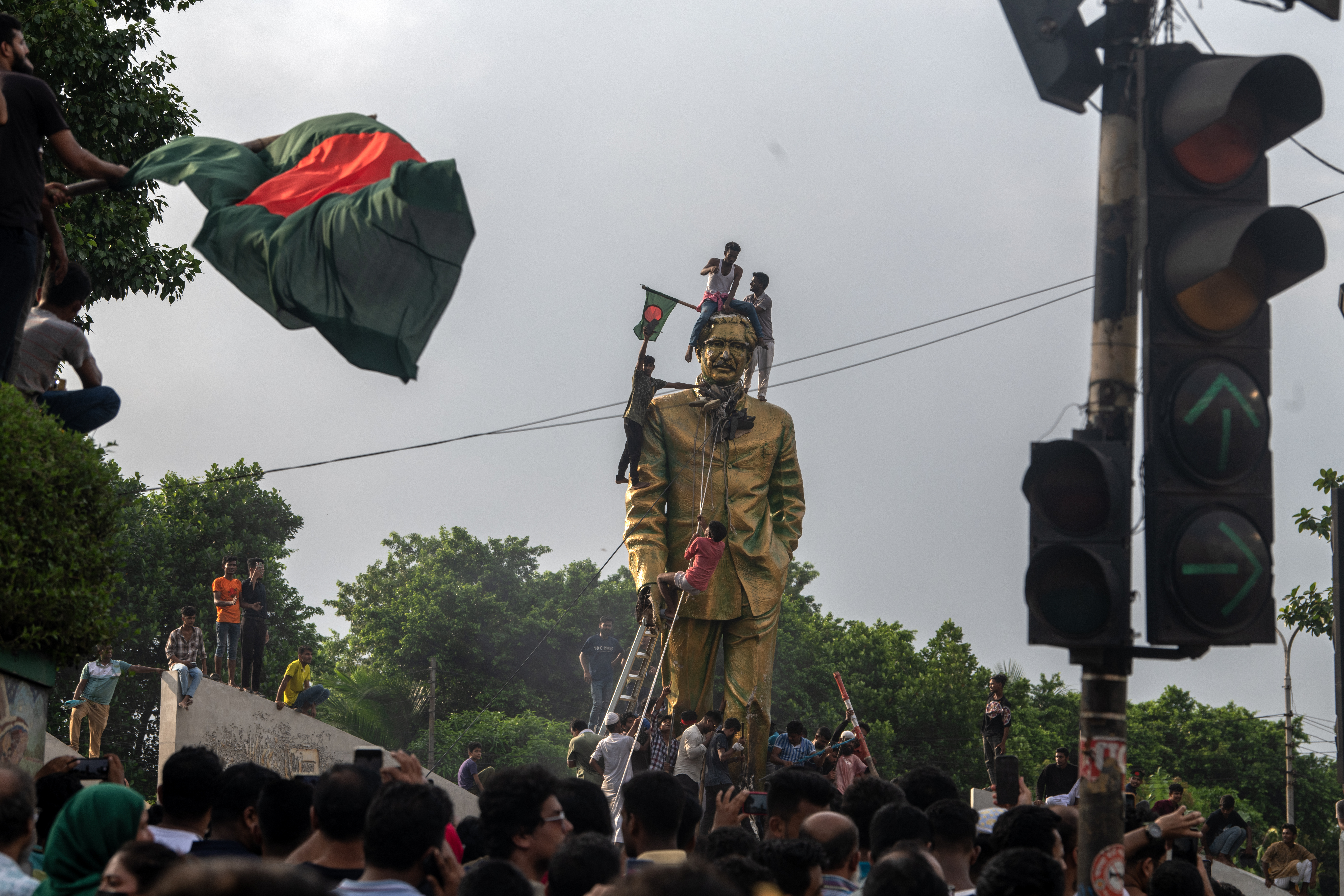
Palmer Luckey Is Our Most Terrifyingly Deranged Billionaire
The United States is plagued with some uniquely twisted and malevolent billionaires. There’s Larry Ellison, founder of Oracle, who is ardently committed to supporting Israel’s ethnic cleansing of Palestinians, and appears hell-bent on personally owning and controlling as much of the media as possible. Jeff Bezos built an empire on the backs of exploited warehouse and delivery workers who can’t go to the bathroom. Elon Musk is a white nationalist who disowned his transgender daughter and has consigned hundreds of thousands of people in Africa, primarily children, to agonizing deaths thanks to his gleeful USAID cuts. Even Warren Buffett, the avuncular, self-effacing Nebraska philanthropist, has unashamedly made a fortune from predatory mobile home loans.

-
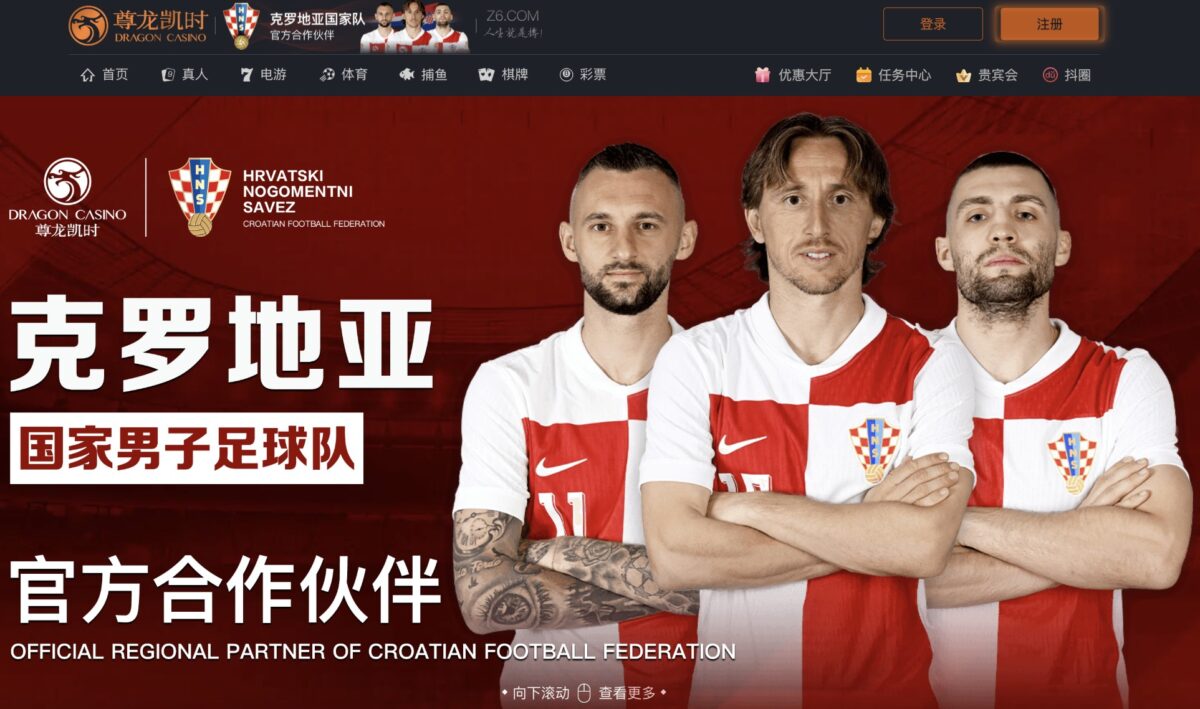
Croatia’s Football Team Signed Deal With Gambling Sponsor Whose Rep Used Fake Name
This article is the result of a collaboration with Josimar. You can find Josimar’s corresponding piece here.
Dragon Z6 said it became the Croatian national team’s “official sponsor” in May 2024. A European academic used a false name to represent an opaque Asian-facing bookmaker that is sponsoring Croatia’s national football team in the run up to the 2026 FIFA World Cup.
Croatia’s national governing body of football, the Croatian Football Federation (HNS), struck the deal to make gambling website Dragon Z6 the team’s “exclusive betting partner” across Asia in May 2024.
Promotional footage of the ceremony to ink the two-year agreement was filmed in Zagreb, with Croatian national team players Marco Pašalić, Lovro Majer and Josip Juranović in attendance.
A video posted to Dragon Z6’s website shows HNS International’s chief executive Dennis Lukančić and the federation’s head of marketing Ante Cicvarić signing the contract with the bookmaker’s representative.
“We hold Dragon Z6.com in high regard,” Cicvarić said in the clip. “A brand with a 25 year legacy and a stellar reputation for providing an exceptional gaming experience. Their motto, ‘Life is a gamble’, resonates deeply with us.”

“Alexander Smith” (centre) at the signing ceremony with HNS executives. Source: Dragon Z6 Dragon Z6’s representative, who is named on screen and in a placard as “Alexander Smith”, described the deal as a “momentous partnership”.
He said: “The Dragon Z6.com family proudly welcomes the Croatian national football team. We embark on an exciting journey to realise our shared ambitions.”

“Alexander Smith’s” signature does not appear when he signs the banner, but based on the movements of his marker he is not writing his real name. Source: Dragon Z6 But the man who appears in the footage on behalf of Dragon Z6 is not Alexander Smith. He is Branko Balon, a senior lecturer in computer science at Algebra Bernays University in Zagreb.
The Croatian national was identified using facial recognition search engine PimEyes, with images from his Facebook, university profile and media reports confirming the match.

Branko Balon’s university profile. Source: Algebra Bernays University In addition to his university position, Balon is the president of non-profit group the Croatian-Chinese Friendship Society for Cultural, Scientific and Economic Cooperation (CCFS).
He appears to have visited China on several occasions, including last July when he took part in a visiting scholar programme with the Nishan World Center of Confucian Studies in eastern China’s Shandong province, according to his Facebook posts.

Top: Branko Balon in a news report and on a cookery programme. Bottom: Photos posted to Branko Balon’s Facebook page. Source: New China TV / YouTube, 24sata / YouTube, Branko Balon / Facebook Six months before the signing ceremony with HNS, Balon reportedly addressed a Zagreb sports and tourism symposium whose attendees included representatives from the Croatian Football Federation.
After initially confirming receipt of an email from Bellingcat, Branko Balon did not respond to questions. Dragon Z6 did not respond to multiple emails.
Dennis Lukančić said the Croatia Football Federation respected the rules and regulations of the sport’s governing bodies as well as Croatian law, but did not answer specific questions about how it became involved with Dragon Z6 or if it was previously aware of Balon’s real identity.
“Regarding the signing ceremony, we note that the Croatian Football Federation did not publish or officially communicate the identity of the Dragon Z6 representative present at the event,” he said. “As is customary with such ceremonies, the event itself was of a promotional nature and did not constitute the formal execution of contractual documentation.”

This photo, published on the Croatia Football Federation’s website in a post about its deal with Dragon Z6, shows Lukančić sitting next to Branko, who had a fake name displayed in front of him. Source: Croatia Football Federation “The Croatian Football Federation is not in a position to comment on the internal decisions, communications, or presentation choices of Dragon Z6, including the use of names or identities in their own materials or appearances. Any questions regarding the identity or representation of Dragon Z6 at promotional events are best addressed to Dragon Z6 or their representatives.
“In any of our proceedings we always negotiate in good faith and we respect all rights and obligations that arise from any agreement.”
Lukančić said the federation had carried out “standard compliance and due diligence procedures” before entering the deal and that the agreement was executed between the relevant legal entities, with Dragon Z6 “represented by their duly authorised signatories”.
Asked which country Dragon Z6 was headquartered in, who its beneficial owner was, and for the name of the person who signed the contract on behalf of the gambling company, Lukančić said: “In our previous email we gave you already all answers and our position in this matter.”
We also asked if the Dragon Z6 deal includes sponsorship during the upcoming FIFA World Cup, but did not receive a response. England is Croatia’s first opponent, facing off against the Three Lions in Dallas on June 17.
The Many-Headed Dragon
Open source findings suggest that Dragon Z6 – sometimes referred to in Chinese as “Zunlong Kaisheng” – is just the latest iteration of an Asian-facing online gambling platform that has been sponsoring Western sports teams under different names for more than a decade. Dragon Z6 appears to be associated with the Hong Kong-linked gambling company KashBet, also known as KB88.

Screenshots of games available on Dragon Z6. Gambling does not occur directly on the Z6.com domain. The site is essentially a gateway that redirects users to a fluctuating number of mirror websites with alphanumeric string domains. These Chinese-language sites host the gambling content, including live-streamed card games, and provide clues about Dragon Z6’s association with KashBet.
The image of Dutch former professional footballer Robin van Persie is featured prominently on Dragon Z6’s mirror sites. In the “About” section of these websites, the online casino says it signed van Persie as its brand ambassador in 2021. The same photograph of him is used interchangeably to promote both Dragon Z6 and the KashBet brand.

Branding on Robin van Persie’s jacket and the football shows KashBet (left) and the Dragon Z6 logo (right). Source: Z6.com proxy website Van Persie’s agent, Kees Vos, said the footballer had not entered into a partnership with Kashbet, was not involved with Dragon Z6, and had not been aware that his image was being used on these websites.
“We have taken notice of the abuse of the image of our client Robin van Persie by several Asian gambling platforms, and we will instruct our lawyers to take legal action against these parties,” Vos said.
Z6’s mirror sites also say Zunlong Kaisheng is the “official sponsor” of Bundesliga clubs Bayer Leverkusen and Augsburg, Brazilian side Fluminense, Italian club Roma, English league team Wigan Athletic and Dutch club Ajax.
However, it was KashBet that signed sponsorship deals with these football teams in 2017 and 2019. No record of a sponsorship with FC Augsburg was found, but KB88 was promoted in pitchside advertising during one of the team’s 2019 home games.
In 2019, Australian football team Melbourne Victory dropped their AFC Champions League sponsor “Kaishi Entertainment” after concerns were raised about the company’s link to Kashbet.
KashBet’s representative at the signing with Bayer Leverkusen was the same person who represented Kaishi Entertainment during the Melbourne Victory announcement in the same year.

The same woman who represented KB88 when it signed with Bayer Leverkusen also represented Kaishi Entertainment when it signed with Melbourne Victory. Identical Chinese branding is also visible on both jerseys. Source: Daim.net, Bayer Leverkusen official website A YouTube channel branded as “Zunlong Kaisheng” and featuring the Dragon Z6 logo hosts a 2024 video titled “Welcome to Dragon Casino”. It shows a tour of a facility where female croupiers are live-streamed operating table games.
The video also features framed photographs purporting to show various ceremonies. These include the KashBet image of van Persie, as well as club teams AS Roma and AFC Ajax’s Asian betting partnerships with KB88 in 2017. Another photo claims to show former Real Madrid, Chelsea and Belgium footballer Eden Hazard becoming a Dragon Casino “brand ambassador” in 2020.
Bellingcat’s emails to representatives for Eden Hazard, who was recently announced as a “global ambassador” for online gambling platform Stake, were not returned.

Top: TheYouTube video includes a photo wall purporting to show Dragon Casino and KB88 sponsorship signings. Bottom: 1 – AFC Ajax; 2 – Eden Hazard; 3 – AS Roma; 4 – Robin van Persie. Source: 尊龙凯时AG旗舰厅 (“Zunlong Kaisheng AG Flagship Hall”) YouTube channel The location of the facility is not stated but open source evidence shows it was filmed in the Philippines, where offshore gaming operators were banned in 2024. Reverse image searches confirm one section of the promotional video was shot in the five-star Peninsula Hotel in Makati City, Manila.
Offshore Corporate Labyrinth
Dutch club Ajax, who were sponsored by KB88 in 2017, said their deal involved Hong Kong firm KB88 Entertainment Culture Limited. A company based in the British Virgin Islands is also behind trade names linked to KB88, according to a 2023 investigation by Dutch outlet NRC. But the entities purportedly in control of the gambling platform do not stop there.
Dragon Z6’s site links to a 2012 statement posted by English Championship club, Queen’s Park Rangers (QPR), announcing a one year deal to make KashBet the club’s international betting partner. The press release, which was removed from QPR’s website earlier this year, said KashBet was “fully owned and operated by Keen Ocean Entertainment (IOM) Limited” and licensed and regulated by the Gambling Supervision Commission (GSC) on the Isle of Man.

Screenshots of live-streamed card games and other offerings on Dragon Z6. Records from the Isle of Man company registry show a company named Goldenway Investments (UK) Limited was incorporated in 2010 and changed its name to Keen Ocean Entertainment (IOM) Limited a month later. The company’s two directors were all residents of the Isle of Man, adding Hong Kong resident Yong Tang as the third director in November of that year. A company acting as the secretary, Rivercroft Limited, is also named in documents.
An archive of the Isle of Man’s Gambling Supervision Commission’s 2012-13 annual report shows that Keen Ocean Entertainment obtained a full online gambling license. This enabled it to enter into the QPR deal as the regulated body behind Kashbet.
Filings on the Isle of Man register are low on detail. Balance sheets are not filed, and the only documented activity about the company was the occasional movement of Isle of Man-based directors. By November 2015, Yong Tang was the sole director of the company.
In 2016, Keen Ocean Entertainment was informed by the Companies Registry that it did not have the authority to maintain its registered office at the address it had given as its premises. Yong Tang did not respond to this correspondence, according to the available documents, and the company was subsequently struck off the register.

Buildings where Keen Ocean and KB88 Entertainment Culture were registered in the Isle of Man and Hong Kong. Source: Google Maps Gaming Compliance International (GCI), a regulatory intelligence firm that monitors the global online gambling market, said Dragon Z6 and KashBet did not have a current gaming license in any credible jurisdiction.
Ismail Vali, GCI president and the founder and former chief executive of Yield Sec, which tracks gambling and streaming marketplaces, said Dragon Z6 “ruthlessly” targeted audiences in China – where gambling is illegal – but that did not mean the operators were based there.
“Generally, in the illegal gambling model, they use triangulation and separation,” he said. “It’s the most basic form of organised crime: operate your business in one place, incorporate your business in another, make your money from many places, bank your money in many places, and, finally, invest and spend it everywhere to create more crime. Separating the elements of the illegal activity creates problems for tracing, policing and enforcement.”
Vali said Western football associations that are struggling to operate on shrinking budgets could be lured into sponsorship deals with unregulated and illegal gambling companies, which were focused on building brand recognition through live-broadcast games.
“The illegal gambling companies aren’t focused upon making money from the direct audience of the clubs or from the football association’s footprint in Croatia,” he said. “What they are making money from is the audience the football matches are broadcast to globally. They want to communicate what the brand is and because it’s associated with international soccer people think it must be trustworthy.
“The whole point here is to recruit you through sports. That’s the cheapest way to get you interested because you want to place a bet on Croatia versus the Czech Republic in the World Cup qualifiers. Once they recruit a customer cheaply via sports events, they can then cross-sell or migrate them into casino and more products – where the profit margin is far higher.
“Unregulated gambling companies want a blended customer – they don’t just want you for sports betting, they want you for everything.”
Ross Higgins and Connor Plunkett contributed to this article.
Bellingcat is a non-profit and the ability to carry out our work is dependent on the kind support of individual donors. If you would like to support our work, you can do so here. You can also subscribe to our Patreon channel here. Subscribe to our Newsletter and follow us on Bluesky here, Instagram here, Reddit here and YouTube here.
The post Croatia’s Football Team Signed Deal With Gambling Sponsor Whose Rep Used Fake Name appeared first on bellingcat.
-
Turkey Detains Bursa Mayor in Corruption Probe
Turkish authorities detained Bursa Metropolitan Mayor Mustafa Bozbey Tuesday along with 54 other suspects in coordinated raids across five provinces, escalating pressure on opposition-run municipalities and setting off an immediate political fight in one of the country’s biggest industrial centers. Prosecutors said 59 people were targeted in the operation and that four suspects remained at large.
The Bursa Chief Public Prosecutor’s Office said the case centers on Bozbey’s earlier years as mayor of Nilüfer, a district within Bursa. According to the prosecutor’s account, investigators concluded that Bozbey, former Nilüfer Mayor Turgay Erdem and some municipal employees arranged improper construction-related floor-area increases in exchange for bribes, generating financial benefits for themselves and for project owners.
The allegations include forming and leading a criminal organization, membership in a criminal organization, bribery, laundering criminal proceeds and causing zoning pollution. Searches were carried out at dozens of homes, companies and other addresses linked to the suspects.
Bozbey won Bursa’s mayoralty in the March 31, 2024 local elections, giving the main opposition Republican People’s Party, or CHP, control of Turkey’s fourth-largest city.
Tuesday’s detention therefore landed as both a criminal case and a political shock. Turkish outlet T24 reported that attention quickly turned to the balance of power in the Bursa municipal council and to who could control the city if Bozbey is formally suspended, as often happens in such cases.
Opposition politicians responded by framing the operation as selective justice rather than a neutral anti-corruption drive. CHP Deputy Chair Gökhan Günaydın, writing on X, asked: “Is there an AKP mayor raided at dawn?” Gazete Oksijen and other Turkish outlets also quoted party officials calling the detention a “political operation.”
CHP Deputy Chair Gökan Zeybek went further, saying the government was trying to obtain “through the judiciary” what it had not won at the ballot box.
Another party statement said, in effect, that the authorities were targeting the will of Bursa’s voters rather than simply investigating old municipal decisions.
-
UK Jails Two in Facebook Boat-Smuggling Ring
A U.K. court has sentenced two Vietnamese nationals to more than a decade in prison each for running a lucrative people-smuggling operation advertised on Facebook. Hop Nguyen, 36, received a 12-year sentence, while Hoang Nguyen, 25, was sentenced to 10 and a half years. Both men, who pleaded guilty in August, also face deportation.
Operating from January 2023 until their arrest in April 2024, the pair helped at least 250 migrants enter the U.K. via small boat crossings. By charging approximately 3,000 British pounds ($3,963) per person, they generated nearly 750,000 pounds ($990,848) in profit. Crown Prosecution Service officials described the pair as part of an international organized crime network attempting to undermine the country’s borders.
-
How India’s Ruling Party is Using AI to Boost Hate Speech in States Near Bangladesh
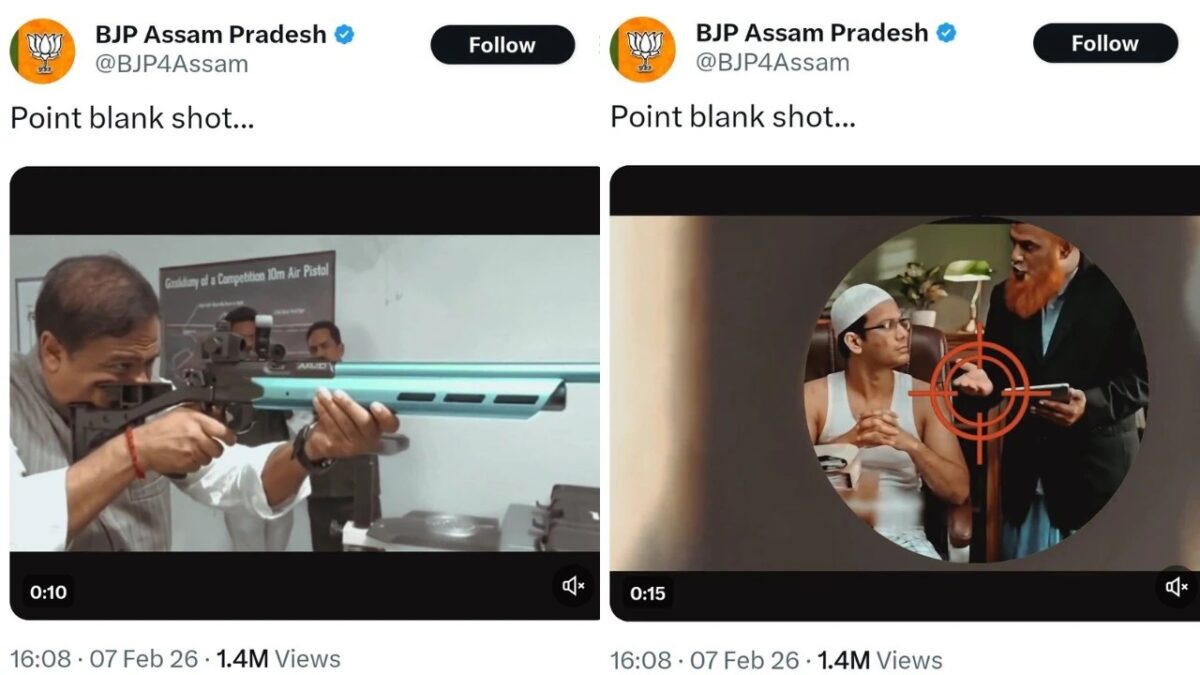
The video posted by a state branch of India’s ruling Bharatiya Janata Party (BJP) showed Assam chief minister Himanta Biswa Sarma shooting an image of two men in Muslim skull caps. “Foreigner-free Assam”, read one caption across the video. “Why did you not go to Pakistan?” said another.
Screenshots of the now-deleted video shared by BJP on Feb. 7 showing Assam Chief Minister Himanta Biswa Sarma shooting an AI-generated version of INC leader Gaurav Gogoi (in a white skull cap) and another unidentified, bearded man. Source: BJP4Assam/X One of the men in the photo that Sarma was portrayed as shooting was Gaurav Gogoi, a leader of the Indian National Congress (INC), the BJP’s main competitor in Assam for the state’s upcoming legislative elections next month.
Gogoi has stated that he is Hindu but enjoys visiting different religious sites and observing their norms. He has been photographed wearing traditional Muslim attire during religious occasions such as Eid.
But the image of him in the video shared by BJP Assam, wearing a casual singlet with a skull cap, was not one of those occasions.
Bellingcat has seen several dozen videos posted by the BJP that use generative artificial intelligence (AI) alongside anti-Muslim and anti-Bangladeshi messaging in the border states of Assam and West Bengal in December last year, ahead of legislative elections scheduled in both states for April.

Left: Original photo shared by Gogoi on Jun. 17, 2025. Right: An image shared by BJP Assam that was edited with AI to show Gogoi with a skull cap, beard and Quran. Source: gauravgogoiasm/Facebook, BJP4Bengal/Facebook Bellingcat analysed 499 social media posts containing photos and videos shared on Facebook, Instagram and X by the BJP’s official accounts in the two states for this time period, finding 194 posts that appeared to meet the United Nations’ definition of hate speech: discriminating against persons or communities based on inherent characteristics such as religion and national origin. Of these, 31 (about one in six of the hateful posts) contained the obvious use of AI-generated imagery.
Chart: Galen Reich
These appear to be part of a larger pattern of politicians and parties globally using generative AI to amplify hateful or divisive content, particularly ahead of major political events such as elections.
Ahead of the New York City mayoral race last year, Andrew Cuomo’s official X account shared, then deleted, an AI-generated video depicting Mamdani eating rice with his hands and a Black man in a keffiyeh shoplifting. In Italy, several opposition parties complained to a communications watchdog after deputy prime minister Matteo Salvini’s League party published a series of AI-generated images depicting men of colour attacking women or police officers. And in the UK, videos by an AI-generated rapper funded by the far-right Advance UK party, with lyrics targeting Muslims, were viewed millions of times.
A Campaign of Hate
Both Assam and West Bengal share a border with Bangladesh. BJP, the world’s largest political party, is currently in power in Assam, where legislative elections are scheduled on Apr. 9. West Bengal, which goes to the polls on Apr. 23, is governed by the Trinamool Congress (TMC).

Map: Pooja Chaudhuri. Source: Goran tek-en, CC BY-SA 4.0, via Wikimedia Commons Tensions between India and Bangladesh worsened after former Bangladeshi Prime Minister Sheikh Hasina, who enjoys close ties with Delhi, was ousted in 2024 and fled to India.
US-based international affairs expert Mohammed Zeeshan told Bellingcat that the “dehumanising and debasing” terminology used in India to refer to alleged illegal Bangladeshi immigrants, including by senior ministers, has caused resentment towards India in Bangladesh.
“The situation, in fact, was so bad that Hasina herself had subtly warned the Modi government in public statements that Indian domestic rhetoric was endangering Bangladeshi Hindus, who bore the brunt of that resentment,” Zeeshan said.
Zobaida Nasreen, a professor of anthropology at Dhaka University, said that anti-Muslim rhetoric intensified by BJP leaders reinforces the belief in Bangladesh that Muslims and Bengalis are being collectively targeted in India.
“Viral videos containing this message tend to spread quickly across Bangladeshi media and social platforms especially on Facebook, enhancing perceptions of hostility and triggering anti-India sentiment or nationalist backlash,” she added.
In December, the month our dataset was collected, Dipu Das, a Hindu garment worker, was beaten to death at an anti-India protest in Bangladesh over allegations that he had made derogatory remarks about Islam.
And while the administration led by Bangladesh’s newly elected leader Tarique Rahman has sought to reset strained ties, most of the hateful social media posts we saw posted by the BJP in December attacked Bangladeshi Muslims and/or Bengali-origin Muslims in India, showing how tensions between the two countries continue to influence political messaging in India’s border states.
Bellingcat’s analysis included a total of 202 posts by BJP Assam and 297 by BJP’s West Bengal branch on their official accounts. We also looked at posts shared by BJP’s main opponent parties – 194 from INC in Assam and 357 from the TMC in West Bengal – during the same time period in December.
This included all visual social media posts (containing photos or videos) by each party in December, except those that did not appear to contain any overt political messaging, such as those simply commemorating public holidays. We only counted each photo or video once, regardless of how many platforms it was shared across.
Although all of the major parties contesting in the Assam and West Bengal state elections appeared to use AI-generated imagery in some of their posts, there appeared to be a particularly high concentration of hateful messaging in the ones posted by the BJP’s accounts.
In Assam, we identified 28 posts by BJP using apparently AI-generated imagery, of which 24 carried hateful messaging. Of the 194 INC posts we looked at from December, 41 appeared to feature AI-generated imagery, but none of these appeared to carry hateful messaging.
In West Bengal, we found 14 BJP posts that contained clear indicators of AI-generated imagery, seven of which were hateful. We also identified 15 posts by the incumbent TMC that appeared to feature AI imagery, but none of these appeared to meet the definition of hate speech.

Support Bellingcat
Your donations directly contribute to our ability to publish groundbreaking investigations and uncover wrongdoing around the world.
When contacted for comment, BJP Assam spokesperson Rupam Goswami did not directly respond to questions on the party’s general use of AI but said they did not post any AI-generated photos of Gogoi. “BJP does not stoop so low,” he told Bellingcat.
As for the “point blank” shooting video, Goswami initially said the person responsible had been punished and removed from the party. However, when asked about Sarma saying that he would re-post the video with those he was depicted shooting labelled as “Bangladeshis”, Goswami said, “[Bangladeshis] need to be completely suppressed.”
BJP West Bengal did not respond to multiple requests for comment by Bellingcat via phone and email.
It is important to note that as generative AI technology improves, it can be increasingly difficult to detect AI-generated imagery. Our manual count of AI-generated imagery only included posts that had obvious signs of generative AI such as unnaturally smooth textures and multiple people with the same faces. It is therefore possible that there were other images in our dataset where generative AI was used more subtly.
However, Joyojeet Pal, Professor of Information at the University of Michigan, told Bellingcat that the quality of these visuals, or whether they looked real, was not the priority.
“What politicians in India have understood is that the sociocultural drivers of misinformation are most important for elections, so they harp on about things to the extent that they have started to not care about form over substance. It looks bad? It doesn’t matter,” he said.
More important to voters, according to Pal, was whether they already believed in the narrative contained in the videos, which generative AI could help create more quickly: “AI is helping cement polarised opinions by giving you the kind of content you have already decided you want to engage with.”
When asked about INC’s use of AI, party spokesperson Aman Wadud said that it was obvious that some of the videos they posted were made with AI and that there was no intention to mislead.
“AI can be both destructive and creative. We are using it in a creative manner, we are not using it in a destructive manner. We don’t violate people’s dignity, we don’t falsely accuse people,” he said.
TMC did not respond to Bellingcat’s multiple requests for comment via phone and email by publication time.
Portraying Bengali Muslims as ‘Foreigners’
The largest category of hateful messaging Bellingcat observed in the BJP’s posts targeted Bangladeshi or Bengali-origin Muslims, referring to them as “infiltrators” or “foreigners”. We counted 66 such posts by the BJP’s Assam and West Bengal branches from December, of which eight appeared to contain obvious AI-generated imagery.
Bengali-origin Muslims are often stereotyped as “illegal immigrants” in the state, although members of the community have lived in India since the late 1800s.
Last year, the BJP deported thousands of alleged undocumented migrants – reportedly including Indian Muslim citizens – to Bangladesh. Human rights groups have called the deportations unlawful and discriminatory, as well as lacking in due process.
One video referencing this theme shows AI-generated visuals of protests against “illegal infiltration” in Assam, with the caption urging people to “wake up” or the country would “turn into Bangladesh”.
A different one uses real footage from past violence in Assam mixed in with images of Muslim men. A song playing in the background accuses them of taking over “Assamese land” and shows AI images of “Assamese” people, i.e. those not in stereotypical Muslim clothing, crying.

An AI-generated image of a crying man in non-Muslim clothing and a traditional Assamese scarf on his shoulders. Source: BJP4Assam/X Both videos use religious markers to draw a distinction between “infiltrators” – men in skull caps or lungis associated with Bengal-origin Muslims – and “citizens” in non-Muslim attire.
Clothing is often used by the Hindu far-right as a visual shorthand for identity and a deepening religious divide. In 2019, Prime Minister Narendra Modi said of protests against a controversial citizenship law that those responsible for violence could be “identified by their clothes”.
In the hateful posts seen by Bellingcat, both real and AI-generated images of opposition figures – particularly Gogoi – were shown alongside messaging that suggested that they supported “foreigners” or “infiltrators”.
The Center for the Study of Organized Hate (CSOH) also noted, in a 2025 report on AI-generated imagery and Islomophobia in India, that Hindu far-right politicians and media outlets have invoked and reinforced the trope of Muslims as “infiltrators” for years.
“AI-generated images on these themes reinforce associations between Muslim identity and illegality, reinforcing xenophobic and Islamophobic stereotypes. In doing so, they play a powerful role in justifying exclusionary policies and normalising discrimination against Muslims,” the report said.
‘Save Hindus’
Zenith Khan, a data analyst who worked on the CSOH report, noted that AI-generated propaganda was often tightly knit with current political moments, and its impact depended on “timing it right” especially when “people are emotionally charged”.
The violence against the minority Hindu community in Bangladesh has been used by the BJP to raise concerns over the safety of Hindus in India.
Days after Das’ lynching, the Assam state branch of BJP posted a video with an image of his face – except that it was manipulated with AI to show tears streaming from his eyes. “Save Hindus”, said the text accompanying the video.
Posts by BJP’s West Bengal unit also seemed to frame Muslims as criminals or threats. A video, styled after the TV show “Stranger Things”, raised alarms over an “upside down” version of the state under the current government.
A man is depicted being chased by men in skull caps. Arrows label them as “Ralib,” “Galib,” and “Chalib” – a play on Muslim names ending in “-lib” – in case the skull caps left any ambiguity about their Muslim portrayal.

“Stranger Things” themed post that depicts Hindus under threat from Muslims in West Bengal. Source: BJP4Bengal/X INC filed a police complaint in September last year against the BJP for sharing AI videos targeting Gogoi and the Muslim community, as well as another complaint in relation to the video of Sarma portrayed as shooting two men “point blank” in February.
INC Assam spokesperson Wadud said that no action had been taken on the party’s police complaints as far as he knew.
Disinformation researcher Bharat Nayak told Bellingcat that it has always been tech platforms’ responsibility to control new types of content.
“The goal post can’t shift. This has always been a tech problem,” he said.
When this responsibility is shrugged off, Nayak added, the result is a lack of accountability. “If you’re using old videos from other countries as new, you will have people countering you. But AI-generated videos can be shared without context just to spread hate – like showing people in skull caps – and the ‘when, where, how’ questions vanish.”
Both Meta – which owns Facebook and Instagram – and X have policies against hateful conduct.
Meta also announced in 2024 that it would start adding “AI info” labels to more content detected as AI-generated, while some X users spotted a similar feature introduced on the platform last month. Only five of INC’s AI visuals that we identified – and none of those by TMC or the BJP – had a disclaimer that said “AI-generated”.
Bellingcat reached out to Meta and X for comment on whether the posts we identified breached their terms of use regarding hateful conduct or labelling AI-generated posts. A Meta spokesperson said they were reviewing the flagged content and “will take appropriate action on any violations of our policies”. As of publication, X had not responded.
Kalim Ahmed from Bellingcat’s Discord Community contributed research to this piece.
Bellingcat is a non-profit and the ability to carry out our work is dependent on the kind support of individual donors. If you would like to support our work, you can do so here. You can also subscribe to our Patreon channel here. Subscribe to our Newsletter and follow us on Bluesky here, Instagram here, Reddit here and YouTube here.
The post How India’s Ruling Party is Using AI to Boost Hate Speech in States Near Bangladesh appeared first on bellingcat.
-
Equal Rights Beyond Borders
Equal Rights Beyond Borders is a charitable organization, founded in 2016, headquartered in Berlin, Germany, and Athens, Greece, with additional offices on the Greek islands Chios and Kos. The organization provides free legal assistance to refugees and asylum seekers in its offices in Athens, Kos, and Chios, including support in asylum procedures, Dublin family reunification, and detention-related cases.
-
Lebanon at ‘breaking point’ as displacement soars and strikes intensify
The UN’s top humanitarian official warned the Security Council on Tuesday that Lebanon is facing one of its most dangerous moments in years, with escalating violence, mass displacement and deepening human suffering pushing the country to “breaking point”. -
Syria: Hundreds of thousands flee Lebanon, vital food aid blocked
The trauma of mass displacement and disruption to aid shipments throughout the world are among the devastating impacts of the war raging in the Middle East, UN agencies said on Tuesday.