Blog

  • Phil Ochs’ Sharp, Satirical Protest Songs Still Resonate Today

    Phil Ochs’ Sharp, Satirical Protest Songs Still Resonate Today

    In 1966 a young man from El Paso, Texas sat down with his guitar and imagined a world without him in it: Won’t be asked to do my share when I’m gone […] / Can’t sing louder than the guns when I’m gone […] / Can’t add my name into the fight while I’m gone / So I guess I’ll have to do it while I’m here. For Phil Ochs—the great American folksinger, songwriter, and political activist—the most daunting part of no longer walking the earth was that he could no longer fight to improve it. He would die ten years later, at the age of 35.

  • La fantasía Bitcóin en El Salvador mientras los trabajadores pierden sus empleos

    SAN SALVADOR, El Salvador — Juan Hernández llegó a la conferencia de prensa con un uniforme que se convirtió en cotidianidad durante la pandemia en 2020: traje médico blanco de seguridad de pies a cabeza, gorro incluido, mascarilla, gafas protectoras. Al llegar su turno de hablar, micrófono en mano, leyó el comunicado que al menos tres organizaciones del sector de salud de El Salvador lanzaron el pasado 7 de enero de 2026: pidieron que se forme una mesa de diálogo para negociar indemnizaciones justas o la reintegración de más de 1.800 empleados despedidos el pasado 23 de diciembre de 2025 del Hospital Rosales, último día laboral antes de las vacaciones por las fiestas navideñas. Este hospital era el principal centro de salud de referencia del país. 

    Hernández y Karla Verónica López, otra empleada del sector salud despedida en diciembre, subirán el tono del reclamo con un señalamiento claro: “Antes nos dijeron héroes”. O sea, durante la pandemia de Covid-19. Y mostraron los diplomas de reconocimiento por su labor en ese momento, e incluso una medalla. 

    Cálculos de algunas organizaciones sitúan entre los 7 mil y 8 mil despedidos del sector público de salud solo durante el año 2025. Recortes que, sin que hayan sido explicados con claridad por parte de las instituciones responsables a los trabajadores, las mismas organizaciones creen que se deben al intento de cumplimiento por parte del gobierno salvadoreño de los indicadores exigidos por el Fondo Monetario Internacional (FMI) para otorgar un préstamo de $1.400 millones. Parte de esos cumplimientos es marginar la criptomoneda Bitcoin de las finanzas públicas. 

    Pese a esto, el pasado 9 de enero la cuenta de X del periódico oficial Diario El Salvador – fundado con fondos públicos y con una retórica favorable al gobierno – publicó sobre la segunda edición de un torneo de golf organizado por los esposos estadounidenses Max Keiser y Stacy Herbert, dos activos bitcoiners muy cercanos al presidente Nayib Bukele. El evento se realizó bajo el nombre de Bitcóin Golf Invitational. Este mismo día, los trabajadores despedidos del Hospital Rosales denunciaron que ni siquiera tienen claridad sobre dónde deben realizar los trámites para obtener su indemnización. 

    Mientras la presión a los bolsillos de la mayoría de salvadoreños ha sido reconocida hasta por el mismo presidente Bukele, durante su toma de posesión de su segundo mandato, el 1 de junio de 2024 – obtenido inconstitucionalmente, ya que la Constitución prohibía la reelección en seis artículos -, la actividad de los cripto creyentes no se ha detenido en El Salvador, reforzando una línea imaginaria que divide a una pequeña élite de la mayor parte de la población del país, y que refuerza las desigualdades entre una y otra.

    “Cuando se analiza a partir de los ingresos (de la población), y esto con datos locales, de la Encuesta de Hogares y de Propósitos Múltiples … toda esa sección de la población con ingresos de menos de US$500 (mensuales) suman cerca del 75% ya de la población”, explica el economista y docente universitario, José Luis Magaña a Truthdig y añade, “En cambio, la población que tiene ingresos superiores a los $2500, estamos hablando del 0.49%”. 

    Para Magaña, “por un lado se genera esa percepción de prosperidad, riqueza y tal, pero para este grupo. Mientras buena parte, la mayoría de la población, no está teniendo beneficios sobre esta distribución”. El profesional hace referencia a que el privilegio y la prosperidad no han cambiado de lado, ni han incluido a actores nuevos; pese a la publicidad sobre avances económicos. Cuando la Ley Bitcóin fue aprobada, en 2021, una de las justificaciones fue lograr mayor inclusión financiera y fue aprobada como moneda de curso legal, convirtiendo a El Salvador en el primer país en adoptarla como tal. 

    El paraíso cripto de unos pocos

    Herbert, quien migró al país junto a su esposo en 2021 luego de la aprobación de la Ley Bitcóin, es la directora de la Oficina Nacional de Bitcoin (ONBTC), una entidad que depende directamente de la Presidencia de la República de El Salvador y que está detrás de la organización de algunos eventos relacionados a la criptomoneda en El Salvador, como por ejemplo el ocurrido en noviembre de 2025, denominado “Bitcoin Histórico”, parte del cual se desarrolló en el Palacio Nacional, un edificio-museo histórico que albergó las oficinas de gobierno décadas atrás y cuyo uso actual es casi exclusivo para eventos especiales, como algunos discursos presidenciales o eventos con invitados diplomáticos.  

    A diferencia de medios de comunicación tradicionales o independientes, a los que nunca ha concedido una entrevista en los últimos seis años, Bukele no tiene reparo en recibir a los criptoembajadores. En Bitcoin Histórico, el presidente se tomó fotos con varios de los invitados especiales.   

    “Por un lado se genera esa percepción de prosperidad, riqueza y tal, pero para este grupo.”

    Pese a que en enero de 2025 la Asamblea Legislativa reformó la Ley Bitcóin – como parte de los cumplimientos con el FMI – y estableció que esta criptomoneda puede seguir siendo utilizada en transacciones exclusivamente entre privados, Bukele no ha dejado de anunciar la compra de más Bitcóin como parte de las reservas estatales  – sin aclarar el uso o no de fondos públicos para tal fin – e, incluso, no ha explicado públicamente por qué sigue manteniendo una oficina gubernamental dedicada a esta criptomoneda. Las reformas determinaron, además, que, pese a que la criptomoneda es de uso de particulares, sus transacciones no pagarían impuestos de capital.  

    Los negocios, empresas y personas que orbitan alrededor de lo que Herbert promociona como “el país Bitcóin” están lejos de disminuir, pese a las reformas legales. En el sitio oficial de Bitcoin Country, la ONBTC promociona el creciente número de negocios que aceptan la criptomoneda, así como los pasos para migrar al país como criptoinversor. 

    Por otra parte, el periódico digital El Faro reportó en enero de 2025, en una investigación, que al menos 15 nombres vinculados a las criptomonedas – en su mayor parte extranjeros – han adquirido unas 50 propiedades en la playa El Zonte, en el departamento de La Libertad. Allá, en solo cinco años, las propiedades han triplicado su valor de mercado. La revalorización, según el medio, ocurrió en paralelo a la propaganda de las zonas como lugares de uso del bitcóin y de la adquisición de estas propiedades por parte de extranjeros. 

    El Zonte forma parte de lo que el gobierno salvadoreño renombró y rebrandeó como Surf City; y que fue el lugar donde el Bitcóin nació como un proyecto comunitario, antes de 2021. La zona es actualmente la punta de lanza del turismo salvadoreño a través de la realización de competencias de surf.

    En esa misma zona, además, la compañía de inversiones canadiense Northfield anunció en marzo de 2025 una serie de negocios a través de su subsidiaria True North Airways (TNA), entre ellos la fundación de una empresa en El Salvador y el aseguramiento de “50 acres de tierra en El Zonte”, es decir, unas 20 manzanas de terreno.   

    Los visitantes observan la puesta de sol en la playa El Tunco, que forma parte de Surf City, una iniciativa del presidente de El Salvador, Nayib Bukele, para impulsar el turismo, en La Libertad, El Salvador, el jueves 1 de febrero de 2024. (Foto AP/Moises Castillo)

    TNA anunció su inicio de operaciones en El Salvador públicamente en noviembre de 2025, a través de la filial Cielo Norte Aviación (CNA), dueña de un helicóptero que fue volado en el evento de golf organizado por los esposos Herbert y Keiser. La aeronave, incluso, ha recibido el nombre de “Bitforce One”. Hasta el 11 de enero, tanto la página oficial de CNA, como sus redes sociales detallaron que su certificación como empresa aeronáutica aún estaba en trámite con la Autoridad de Aviación Civil de El Salvador. 

    El helicóptero, según información de sus redes sociales, permanece en un helipuerto de Salamanca Eventos, ubicado en el distrito de Nuevo Cuscatlán, departamento de La Libertad, cuna política de Bukele; mientras que el torneo de golf se realizó en la exclusiva residencial El Encanto, donde el CEO de la empresa cripto Tether ha adquirido propiedades. Truthdig intentó consultar a CNA sobre su participación en el evento de golf vía correo electrónico, pero la empresa se negó a comentar, salvo para asegurar que sí tenía permiso para realizar el vuelo, sin mostrar evidencia de ello.

    Cinco días después de la solicitud de derecho de respuesta que Truthdig realizó a CNA, la compañía sostuvo una reunión con Bukele y mostró fotos del encuentro en sus redes sociales. El hecho de que estas empresas puedan operar sin los certificados correspondientes evidencia el privilegio que les otorgan sus contactos con el gobierno.

    Para finales de enero, otro evento de gran magnitud relacionado con el Bitcoin ha sido publicitado desde, al menos, noviembre de 2025. Se trata de Plan B Forum, un encuentro internacional que reunirá a más de 100 ponentes del mundo cripto en El Salvador y que está siendo patrocinado por dos gigantes del ámbito: las empresas Tether y Bitfinex. La ONBTC también participará en la Bitcoin Capital Summit en San Salvador el 29 de enero, junto con la empresa canadiense de tecnología blockchain, Blockstream, y la empresa estadounidense de inversión en nuevas empresas, Fulgur Ventures.

    Los que viven fuera de la burbuja cripto

    “Se quiere vender la idea, al igual que hace 25 años cuando se dolarizó la economía, que la inversión extranjera iba a venir como agua de mayo al país y que al venir mayor inversión extranjera se iba a generar empleo, la gente podría llevar ingresos a sus familias y al tener ingresos, pues tener capacidad de consumo y dinamizar la economía. Pero 25 años después de estar dolarizados, seguimos siendo el país que menos inversión extranjera trae. El Bitcoin se vendió igual. Bukele lo vendió como la gran política pública en materia económica que iba a traer nuevamente inversión extranjera y que aquí va a haber oportunidades de empleo”, dice Juan José Ortiz, vocero de los cientos de afectados por el desfalco por más de $30 millones a la Cooperativa de Ahorro y Crédito Santa Victoria (COSAVI). 

    COSAVI funcionó durante varios años como una exitosa cooperativa de ahorro en la que miles de salvadoreños resguardaron sus ahorros, pero fue intervenida por el Estado salvadoreño en mayo de 2024 debido a irregularidades en su administración por parte de varias gerencias. Investigaciones periodísticas posteriores han demostrado que la financiera otorgó millones en préstamos a municipalidades del partido Nuevas Ideas. 

    Si alguien sabe sobre el trato desigual en el ámbito económico en El Salvador son los afectados por este desfalco. En marzo de 2026 se cumplirán dos años de la intervención del Estado salvadoreño a la Cooperativa por el fraude millonario y, hasta la fecha, buena parte de los ahorrantes siguen peleando por recuperar los ahorros de su vida: al menos siete personas han fallecido esperando recuperar su dinero y el Comité de Afectados ha solicitado audiencias con diputados, la Superintendencia del Sistema Financiero, ha enviado cartas a congresistas estadounidenses y hasta otros gobiernos extranjeros; sin haber sido escuchados en ninguna parte. Presentaron 104 demandas a los juzgados civiles y 103 fueron rechazadas. Solo una fue aceptada por un Juzgado de Menor Cuantía y aún está en trámite.

    Buena parte de los ahorrantes siguen peleando por recuperar los ahorros de su vida.

    Ortiz tiene formación y una carrera profesional vinculadas a las finanzas. Para él, las mejorías en los indicadores macroeconómicos son casi una ilusión. “El gobierno ha anunciado publicitariamente que la economía en su tercer trimestre creció 5.1% … Pero cuando uno mira los datos presentados por el mismo Banco Central, el crecimiento de 5.1 está sustentado en tres rubros que son bastante volátiles. El primero de ellos es la construcción”, dice Ortiz. 

    Ese mercado y el de inversiones extranjeras han recibido múltiples incentivos en El Salvador en los últimos dos años. El más reciente: el que permite una deducción de impuestos sobre la renta si se invierte más de $1 millón. Esto se suma a otros incentivos previamente aprobados como exención de impuestos a las ganancias de capital, exención de impuestos hasta por 10 años y facilitación de permisos de construcción para edificios de más de 35 pisos. 

    Muchas de estas facilidades se han aplicado al Centro Histórico de la capital, San Salvador, donde bitcoiners y hasta la familia del presidente han aprovechado estos tratos favorables para comprar y establecer negocios exclusivos. Las propiedades, de hecho, son colindantes y forman parte del polo de desarrollo turístico del Centro Histórico, y tienen por detrás los mismos nombres que acaparan los negocios en el Zonte: Giancarlo Devasini (fundador de Tether) y Max Keiser. Desvasini y otros dos inversionistas en criptomonedas, todos con vínculos con el gobierno, compraron cuatro edificios en el centro histórico de San Salvador por un valor de 7,5 millones de dólares estadounidenses.

    El desarrollo de la zona ha implicado, desde hace al menos cuatro años, el desplazamiento de miles de comerciantes informales que, en la práctica, representan el grueso de la población económicamente activa del país. Durante diciembre, en redes sociales hubo denuncias sobre el decomiso de carritos de venta de ambulantes. Truthdig se puso en contacto con una vendedora informal para conocer su caso. Pese a haber aceptado inicialmente, luego declinó la entrevista. “Ya se dieron cuenta de que hablé con algunos periodistas y me vinieron a amenazar”, dijo antes de cortar la llamada. 

    Familias pasean en la Plaza Gerardo Barrios del Centro Histórico de San Salvador, una de las zonas de la que han sido desplazados miles de comerciantes informales y ha atraído la compra de propiedades por parte de bitcoiners y familiares del presidente Nayib Bukele. Foto: Suchit Chávez

    Ortiz reveló que el Comité de Afectados de COSAVI actualmente prepara una cuarta carta dirigida al FMI para reiterarle que tome en cuenta el caso de desfalco como parte de los indicadores de cumplimiento y anticorrupción exigibles al gobierno salvadoreño para otorgar el préstamo de $1,400 millones. Las tres anteriores no han tenido respuesta aún. 

    Para el vocero, la falta de respuesta de los tribunales locales obedece a una intención de “intereses políticos” y de “querer borrar toda evidencia que la clase política y particularmente el partido de gobierno (Nuevas Ideas) metió las manos en la cooperativa”. 

    El economista Magaña explica que el crecimiento de una élite exclusiva, vinculada a los cripto activos, obedece más a la especulación financiera que al interés en la tecnología. “Creo que estamos ante un momento de pugnas de élites y de alianzas de élites”, dice. 

    Para Magaña, existe un grupo económico emergente – vinculado a las actividades comerciales – que está echando mano a alianzas con los sectores económicos tradicionales, como una élite terrateniente, para afianzar el poder. Según él, pese a que el discurso público gubernamental se enfoca en la mejoría de tecnología e innovación, al analizar los datos macroeconómicos “lo que está creciendo no es la parte de información y comunicación. Lo que está creciendo es la parte financiera. No se trata de la adopción de nuevas tecnologías, de innovación, de blockchain, sino más bien de la burbuja financiera que está detrás de todo eso, y cómo poder tener acceso a mecanismos financieros sin pasar por los mecanismos financieros de la élite financiera”, explica.

    La incursión de grupos privilegiados, con buena presencia de extranjeros, ya está alcanzando otros ámbitos del país, además del ecosistema cripto. En agosto de 2025, el congreso salvadoreño aprobó la creación de la Red Nacional de Hospital, un nuevo ente que dependerá directamente de la Casa Presidencial y que, en la práctica, implicó la muerte jurídica del Hospital Rosales. 

    Juan Hernández, el trabajador despedido de este hospital, resume así sus últimos meses de trabajo: muchos profesionales extranjeros de la salud contratados, con salarios que duplican o triplican los de los empleados locales, y con poco contacto con estos. Según Hernández, a los empleados del hospital les hicieron firmar cláusulas de confidencialidad para que no hablaran de estas nuevas contrataciones.

    Mientras las élites de las criptomonedas construyen pequeños paraísos en el centro histórico y en lugares turísticos como El Zonte, para el 75% de los salvadoreños, el aumento del costo de los productos básicos ha hecho que sea difícil cubrir sus gastos de subsistencia.

    The post La fantasía Bitcóin en El Salvador mientras los trabajadores pierden sus empleos appeared first on Truthdig.

  • Bitcoin Country

    SAN SALVADOR, El Salvador — Juan Hernández arrived at the Jan. 7 press conference in a uniform that became commonplace in 2020 during the COVID-19 pandemic: full-body white medical protective gear, including a cap, mask and safety goggles. When it was his turn to speak, he read a statement calling for dialogue to negotiate fair severance packages or the reinstatement of more than 1,800 employees laid off from the Rosales Hospital in San Salvador on Dec. 23, 2025 — the last working day before the Christmas holiday break. This hospital was the country’s main primary health center.

    “They used to call us heroes,” says Karla Verónica López, another health care employee laid off in December, referring to the pandemic. Hernández and López held up their diplomas and a medal they each received in recognition of their work during that time.

    Estimates from several organizations place the number of public health care sector layoffs in 2025 alone between 7,000 and 8,000, in a country of 6.4 million people. The government has not explained these cuts, but they are likely due to the government’s efforts to meet the International Monetary Fund’s requirements for a US$1.4 billion loan. Another requirement of that loan, granted early last year after a staff-level agreement was signed in December 2024, was restricting the use of the cryptocurrency Bitcoin in public finances.

    On Jan. 9, the laid-off workers from Rosales Hospital reported they weren’t able to file the paperwork to receive their severance pay, as the health ministry was refusing to provide them with necessary details like their start date. That same day, pro-government media outlet Diario El Salvador posted on X about the upcoming second edition of the Bitcoin Golf Invitational, a tournament organized by U.S. couple Max Keiser and Stacy Herbert, two prominent Bitcoin advocates very close to President Nayib Bukele.  

    Dozens of workers denounced arbitrary firings, unfair compensation and mistreatment by the Salvadoran government at a press conference of Salvadoran health sector organizations. Photo by Suchit Chávez.

    El Salvador became the first country in the world to make Bitcoin legal tender when it passed its Bitcoin Law in 2021, and Bukele justified the move as a way to facilitate greater financial inclusion. But that rosy picture of financial prosperity and economic inclusion has materialized for only a small, elite few.  

    Today, even Bukele has acknowledged the economic hardships most Salvadorans are facing, but crypto believers’ activity in El Salvador has not slowed. In the five years since Bukele rebranded El Salvador as the home of Bitcoin, the divide between a tiny elite class and the majority of the country’s population has only grown wider.

    “When analyzing income, using local data from the Household and Multipurpose Survey, I’ve found that the population with incomes of less than US$500 (monthly) makes up nearly 75% of the population,”’ economist and university professor José Luis Magaña explains to Truthdig. “In contrast, the population with incomes above US$2,500 — well, we’re talking about 0.49%.

    “The government promotes an image of prosperity and wealth, but such prosperity is only for this (tiny) group,” Magaña says. 

    Crypto paradise for a select few

    Herbert and Keiser are intimately involved with Bukele’s Bitcoin efforts in El Salvador. After migrating to the country with her husband in 2021 following the passage of the Bitcoin Law, Herbert is now the director of the National Bitcoin Office (ONBTC), an entity that reports directly to the Presidency of the Republic of El Salvador and that is behind the organization of several cryptocurrency-related events in the country. Historic Bitcoin, held in November 2025, took place partly in the National Palace — a historic building and museum that once housed government offices and is now used almost exclusively for special events, such as certain presidential addresses or diplomatic gatherings.

    While Bukele has not granted any interviews to traditional or independent media outlets since he was first elected six years ago, he has no qualms about receiving crypto ambassadors. At the Historic Bitcoin event, the president took photos with several of the special guests.

    Further, Bukele has regularly announced the purchase of more Bitcoin for state reserves. This is despite the fact that the Legislative Assembly reformed the Bitcoin Law in January 2025 to satisfy the IMF’s requirements, and established that the cryptocurrency could only be used for private transactions. Bukele has also failed to explain why the government continues to maintain a dedicated office for this cryptocurrency. Even last year’s reform still left loopholes ripe for exploitation, however, most notably by stipulating that all cryptocurrency transactions be exempt from capital gains tax.

    “I believe we are in a moment of elite rivalry and elite alliances.”

    In that tax-free environment, the businesses, companies and individuals orbiting what Herbert promotes as “Bitcoin Country” show no sign of retreating. On the official Bitcoin Country website, the ONBTC boasts about the growing number of businesses that accept the cryptocurrency in El Salvador (1,224 at the time of writing), and encourages crypto investors to migrate to the country. 

    An exclusive elite linked to crypto assets is growing in El Salvador, Magaña says, and it is driven more by financial speculation than by any interest in technology. “I believe we are in a moment of elite rivalry and elite alliances,” he says.

    He argues that there is an emerging economic group that is forging alliances with traditional economic sectors, such as a landowning elite, to consolidate power. Despite the government’s public discourse focusing on improvements in technology and innovation, an analysis of macroeconomic data shows that “what is growing is not the information and communication sector. What is growing is the financial sector. This isn’t about the adoption of new technologies, innovation or blockchain, but rather the financial bubble behind all of it, and how to gain access to financial mechanisms without going through the financial mechanisms of the financial elite,” he explains.

    El Faro reported in January 2025 that at least 15 individuals linked to cryptocurrencies — mostly foreigners — have acquired some 50 properties in El Zonte beach, in the department of La Libertad. There, the market value has tripled in just five years. According to the outlet, this appreciation occurred in parallel with the promotion of the area as a hub for Bitcoin use and with the acquisition of these properties by foreigners.

    El Zonte forms part of what the Salvadoran government has renamed and rebranded Surf City. This zone is currently the flagship of Salvadoran tourism, hosting major surfing competitions.

    Visitors watch the sunset at El Tunco beach which is part of Surf City, an initiative by El Salvador President Nayib Bukele to draw in tourism, in La Libertad, El Salvador, Thursday, Feb. 1, 2024. (AP Photo/Moises Castillo)

    In March last year, in that same area, the Canadian investment company Northfield announced a series of ventures through its subsidiary True North Airways (TNA). These include establishing a company in El Salvador and securing “50 acres of land in El Zonte.”

    TNA announced the start of its operations in El Salvador in November 2025 through its subsidiary Cielo Norte Aviación (CNA), which owns a helicopter that was flown during the golf tournament. The aircraft has even been named Bitforce One. As of Jan. 11, both the CNA’s official website and its social media accounts indicated that its certification as an aviation company was still being processed with the Civil Aviation Authority of El Salvador. 

    They also indicate that the helicopter is at the helipad of the Salamanca Eventos venue, in Nuevo Cuscatlán district — the political birthplace of Bukele. The golf tournament was held just a few kilometres to the south, at the exclusive El Encanto residential estate, where the CEO of the crypto company Tether has purchased property. Truthdig attempted to contact CNA regarding its involvement in the golf event, but the company declined to comment, except to state it had permission for the flight, without providing evidence. That such companies are able to operate without proper certifications demonstrates the privilege they get from their government connections.

    Another major Bitcoin-related event, the Plan B Forum, is planned for Jan. 30-31. The international gathering will bring together more than 100 crypto speakers in El Salvador and is being sponsored by two giants in that space: the companies Tether and Bitfinex. The ONBTC is also participating in the Bitcoin Capital Summit in San Salvador on Jan. 29 with Canadian blockchain technology company Blockstream and U.S. start-up investor company Fulgur Ventures.

    Those living outside the crypto bubble

    “They want to sell the idea, just like 25 years ago when the (Salvadoran) economy was dollarized, that foreign investment would arrive like a lifeline to the country. And with more foreign investment, jobs would be created, people would bring money back to their families, and … they would have purchasing power that would stimulate the economy,” Juan José Ortíz, spokesperson for the hundreds of people affected by a US$30 million embezzlement from the Santa Victoria Savings and Credit Cooperative (COSAVI), tells Truthdig. 

    “But, 25 years after dollarization, we remain the country that attracts the least foreign investment. Bukele sold Bitcoin in the same way, as the great public economic policy that would bring foreign investment back and that there would be job opportunities here,” he says.

    COSAVI operated for many years as a successful cooperative where thousands of Salvadorans safeguarded their savings, but it was taken over by the state in May 2024 due to administrative irregularities by several managers. Subsequent investigations have shown that COSAVI granted millions of dollars in loans to municipalities governed by Bukele’s New Ideas party.

    A significant portion of clients are still fighting to recover their life savings.

    If anyone can speak to unequal treatment in El Salvador’s economic sphere, it is those affected by this scandal. It has been almost two years since the multimillion dollar fraud, and a significant portion of clients are still fighting to recover their life savings: at least seven people have died waiting to get their money back. The COSAVI Affected Persons Committee has requested hearings with legislators and the Financial System Superintendency, sent letters to U.S. congresspeople and even to other foreign governments, without being heard anywhere. It filed 104 lawsuits in civil courts; 103 were rejected. Only one was accepted by a small claims court and is still pending.

    “The government has publicly announced that the economy grew 5.1% in its third quarter … But when you look at the data presented by the Central Bank itself, the 5.1% growth is based on three very volatile sectors. The first of these is construction,” Ortíz says. Apart from representing the embezzlement victims, Ortíz has studied and worked in finance. For him, improvements in macroeconomic indicators are almost an illusion.

    The construction and foreign investment sectors have received multiple incentives over the last two years in El Salvador. The most recent is income tax deductions for investments over US$1 million. This adds to other previously approved incentives such as exemption from capital gains taxes, tax exemptions for up to 10 years and streamlined construction permits for buildings over 35 stories.

    Bitcoiners and even the president’s family have taken advantage of these favorable deals to purchase property and establish exclusive businesses, particularly in the historic center of San Salvador. In fact, some of the properties are next to each other, forming part of the center’s tourism development hub. Their owners are the same people dominating business in El Zonte: Giancarlo Devasini (founder of Tether) and Keiser. Desvasini and two other crypto investors, all with ties to the government, bought four buildings in the historic center of San Salvador worth US$7.5 million.

    People stroll in the Gerardo Barrios square, in the historic center of San Salvador. This is one of the key areas where thousands of informal vendors have been evicted as Bitcoiners and the president’s family buy up property there. Photo by Suchit Chávez.

    The government has reportedly spent US$100 million on developing the historic center over the past four years, displacing thousands of informal vendors from the area in order to do so. In December, there were social media reports about the confiscation of street vending carts. Truthdig contacted an informal vendor to learn about her situation. Although she initially agreed, she later declined the interview. “They already found out I spoke with some journalists, and they came to threaten me,” she said before ending the call.

    Ortíz revealed that the COSAVI Affected Persons Committee is currently preparing a fourth letter to the IMF, reiterating that it should consider the embezzlement case as part of the compliance and anti-corruption indicators required of the Salvadoran government for the US$1.4 billion loan. The previous three letters have not yet received a response.

    Within El Salvador, Ortíz says the lack of response from the civil courts is due to “political interests” and a desire to “erase all evidence that the political class, and particularly the ruling party, was involved in the cooperative.”

    The incursion of privileged groups, with a significant presence of foreigners, is already reaching other spheres of the country beyond the crypto ecosystem. In August 2025, the Salvadoran congress approved the creation of the National Hospital Network, a new entity that will depend directly on the presidential office and which, in practice, meant subtly opening up the health system to privatization and unequal care, as well as the legal dissolution of the Rosales Hospital.

    Juan Hernández, the worker laid off from Rosales, says foreign health professionals were hired at salaries double or triple those of local employees. For him, and for the 75% of Salvadorans struggling to cover the basic cost of living, it can be hard to see why their government is prioritizing the crypto elites.

    The post Bitcoin Country appeared first on Truthdig.

  • ‘I Can’t Tell You’: Attorneys, Relatives Struggle To Find Hospitalized ICE Detainees

    Lydia Romero strained to hear her husband’s feeble voice through the phone.

    A week earlier, immigration agents had grabbed Julio César Peña from his front yard in Glendale, California. Now, he was in a hospital after suffering a ministroke. He was shackled to the bed by his hand and foot, he told Romero, and agents were in the room, listening to the call. He was scared he would die and wanted his wife there.

    “What hospital are you at?” Romero asked.

    “I can’t tell you,” he replied.

    Viridiana Chabolla, Peña’s attorney, couldn’t get an answer to that question, either. Peña’s deportation officer and the medical contractor at the Adelanto ICE Processing Center refused to tell her. Exasperated, she tried calling a nearby hospital, Providence St. Mary Medical Center.

    “They said even if they had a person in ICE custody under their care, they wouldn’t be able to confirm whether he’s there or not, that only ICE can give me the information,” Chabolla said. The hospital confirmed this policy to KFF Health News.

    Many hospitals refuse to provide information or allow contact with these patients.

    Family members and attorneys for patients hospitalized after being detained by federal immigration officials said they are facing extreme difficulty trying to locate patients, get information about their well-being, and provide them emotional and legal support. They say many hospitals refuse to provide information or allow contact with these patients. Instead, hospitals allow immigration officers to call the shots on how much — if any — contact is allowed, which can deprive patients of their constitutional right to seek legal advice and leave them vulnerable to abuse, attorneys said.

    Hospitals say they are trying to protect the safety and privacy of patients, staff, and law enforcement officials, even while hospital employees in Los AngelesMinneapolis, and Portland, Ore., cities where Immigration and Customs Enforcement has conducted immigration raids, say it’s made their jobs difficult. Hospitals have used what are sometimes called blackout procedures, which can include registering a patient under a pseudonym, removing their name from the hospital directory, or prohibiting staff from even confirming that a patient is in the hospital.

    “We’ve heard incidences of this blackout process being used at multiple hospitals across the state, and it’s very concerning,” said Shiu-Ming Cheer, the deputy director of immigrant and racial justice at the California Immigrant Policy Center, an advocacy group.

    Some Democratic-led states, including California, Colorado, and Maryland, have enacted legislation that seeks to protect patients from immigration enforcement in hospitals. However, those policies do not address protections for people already in ICE custody.

    More Detainees Hospitalized

    Peña is among more than 350,000 people arrested by federal immigration authorities since President Donald Trump returned to the White House. As arrests and detentions have climbed, so too have reports of people taken to hospitals by immigration agents because of illness or injury — due to preexisting conditions or problems stemming from their arrest or detention.

    ICE has faced criticism for using aggressive and deadly tactics, as well as for reports of mistreatment and inadequate medical care at its facilities. Sen. Adam Schiff (D-Calif.) told reporters at a Jan. 20 news conference outside a detention center he visited in California City that he spoke to a diabetic woman held there who had not received treatment in two months.

    While there are no publicly available statistics on the number of people sick or injured in ICE detention, the agency’s news releases point to 32 people who died in immigration custody in 2025. Six more have died this year.

    The Department of Homeland Security, which oversees ICE, did not respond to a request for information about its policies or Peña’s case.

    Immigration detention is civil, not criminal, detention.

    According to ICE’s guidelines, people in custody should be given access to a telephone, visits from family and friends, and private consultation with legal counsel. The agency can make administrative decisions, including about visitation, when a patient is in the hospital, but should defer to hospital policies on contacting next of kin when a patient is seriously ill, the guidelines state.

    Asked in detail about hospital practices related to patients in immigration custody and whether there are best practices that hospitals should follow, Ben Teicher, a spokesperson for the American Hospital Association, declined to comment.

    David Simon, a spokesperson for the California Hospital Association, said that “there are times when hospitals will — at the request of law enforcement — maintain confidentiality of patients’ names and other identifying characteristics.”

    Although policies vary, members of the public can typically call a hospital and ask for a patient by name to find out whether they’re there, and often be transferred to the patient’s room, said William Weber, an emergency physician in Minneapolis and medical director for the Medical Justice Alliance, which advocates for the medical needs of people in law enforcement custody. Family members and others authorized by the patient can visit. And medical staff routinely call relatives to let them know a loved one is in the hospital, or to ask for information that could help with their care.

    But when a patient is in law enforcement custody, hospitals frequently agree to restrict this kind of information sharing and access, Weber said. The rationale is that these measures prevent unauthorized outsiders from threatening the patient or law enforcement personnel, given that hospitals lack the security infrastructure of a prison or detention center. High-profile patients such as celebrities sometimes also request this type of protection.

    Several attorneys and health care providers questioned the need for such restrictions. Immigration detention is civil, not criminal, detention. The Trump administration says it’s focused on arresting and deporting criminals, yet most of those arrested have no criminal conviction, according to data compiled by the Transactional Records Access Clearinghouse and several news outlets.

    Taken Outside His Home

    According to Peña’s wife, Romero, he has no criminal record. Peña came to the United States from Mexico in sixth grade and has an adult son in the U.S. military. The 43-year-old has terminal kidney disease and survived a heart attack in November. He has trouble walking and is partially blind, his wife said. He was detained Dec. 8 while resting outside after coming home from dialysis treatment.

    Initially, Romero was able to find her husband through the ICE Online Detainee Locator System. She visited him at a temporary holding facility in downtown Los Angeles, bringing him his medicines and a sweater. She then saw he’d been moved to the Adelanto detention center. But the locator did not show where he was after he was hospitalized.

    “It’s not like he’s going to run away.”

    When she and other relatives drove to the detention facility to find him, they were turned away, she said. Romero received occasional calls from her husband in the hospital but said they were less than 10 minutes long and took place under ICE surveillance. She wanted to know where he was so she could be at the hospital to hold his hand, make sure he was well cared for, and encourage him to stay strong, she said.

    Shackling him and preventing him from seeing his family was unfair and unnecessary, she said.

    “He’s weak,” Romero said. “It’s not like he’s going to run away.”

    ICE guidelines say contact and visits from family and friends should be allowed “within security and operational constraints.” Detainees have a constitutional right to speak confidentially with an attorney. Weber said immigration authorities should tell attorneys where their clients are and allow them to talk in person or use an unmonitored phone line.

    Hospitals, though, fall into a gray area on enforcing these rights, since they are primarily focused on treating medical needs, Weber said. Still, he added, hospitals should ensure their policies align with the law.

    Family Denied Access

    Numerous immigration attorneys have spent weeks trying to locate clients detained by ICE, with their efforts sometimes thwarted by hospitals.

    Nicolas Thompson-Lleras, a Los Angeles attorney who counsels immigrants facing deportation, said two of his clients were registered under aliases at different hospitals in Los Angeles County last year. Initially, the hospitals denied the clients were there and refused to let Thompson-Lleras meet with them, he said. Family members were also denied access, he said.

    One of his clients was Bayron Rovidio Marin, a car wash worker injured during a raid in August. Immigration agents surveilled him for over a month at Harbor-UCLA Medical Center, a county-run facility, without charging him.

    In November, the Los Angeles County Board of Supervisors voted to curb the use of blackout policies for patients under civil immigration custody at county-run hospitals. In a statement, Arun Patel, the chief patient safety and clinical risk management officer for the Los Angeles County Department of Health Services, said the policies are designed to reduce safety risks for patients, doctors, nurses, and custody officers.

    “In some situations, there may be concerns about threats to the patient, attempts to interfere with medical care, unauthorized visitors, or the introduction of contraband,” Patel said. “Our goal is not to restrict care but to allow care to happen safely and without disruption.”

    Leaving Patients Vulnerable

    Thompson-Lleras said he’s concerned that hospitals are cooperating with federal immigration authorities at the expense of patients and their families and leaving patients vulnerable to abuse.

    “It allows people to be treated suboptimally,” Thompson-Lleras said. “It allows people to be treated on abbreviated timelines, without supervision, without family intervention or advocacy. These people are alone, disoriented, being interrogated, at least in Bayron’s case, under pain and influence of medication.”

    Such incidents are alarming to hospital workers. In Los Angeles, two health care professionals who asked not to be identified by KFF Health News, out of concern for their livelihoods, said that ICE and hospital administrators, at public and private hospitals, frequently block staff from contacting family members for people in custody, even to find out about their health conditions or what medications they’re on. That violates medical ethics, they said.

    Blackout procedures are another concern.

    “It allows people to be treated suboptimally.”

    “They help facilitate, whether intentionally or not, the disappearance of patients,” said one worker, a physician for the county’s Department of Health Services and part of a coalition of concerned health workers from across the region.

    At Legacy Emanuel Medical Center in Portland, nurses publicly expressed outrage over what they saw as hospital cooperation with ICE and the flouting of patient rights. Legacy Health has sent a cease and desist letter to the nurses’ union, accusing it of making “false or misleading statements.”

    “I was really disgusted,” said Blaire Glennon, a nurse who quit her job at the hospital in December. She said numerous patients were brought to the hospital by ICE with serious injuries they sustained while being detained. “I felt like Legacy was doing massive human rights violations.”

    Handcuffed While Unconscious

    Two days before Christmas, Chabolla, Peña’s attorney, received a call from ICE with the answer she and Romero had been waiting for. Peña was at Victor Valley Global Medical Center, about 10 miles from Adelanto, and about to be released.

    Excited, Romero and her family made the two-hour-plus drive from Glendale to the hospital to take him home.

    When they got there, they found Peña intubated and unconscious, his arm and leg still handcuffed to the hospital bed. He’d had a severe seizure on Dec. 20, but no one had told his family or legal team, his attorney said.

    Tim Lineberger, a spokesperson for Victor Valley Global Medical Center’s parent company, KPC Health, said he could not comment on specific patient cases, because of privacy protections. He said the hospital’s policies on patient information disclosure comply with state and federal law.

    Peña was finally cleared to go home on Jan. 5. No court date has been set, and his family is filing a petition to adjust his legal status based on his son’s military service. For now, he still faces deportation proceedings.

    KFF Health News is a national newsroom that produces in-depth journalism about health issues and is one of the core operating programs at KFF — the independent source for health policy research, polling, and journalism.

    The post ‘I Can’t Tell You’: Attorneys, Relatives Struggle To Find Hospitalized ICE Detainees appeared first on Truthdig.

  • Follow the Changes: 9 Ways Web Archives are Used in Digital Investigations

    Follow the Changes: 9 Ways Web Archives are Used in Digital Investigations

    Guest post from Thais Lobo, Liliana Bounegru & Jonathan W. Y. Gray, King’s College London.

    This work was supported by the Centre for Digital Culture and Department of Digital Humanities at King’s College London and developed further through collaborations with researchers and students at the University of Amsterdam.


    Digital journalists increasingly turn to web archives like the Wayback Machine to follow how things on the Internet break, change or disappear – from deleted posts to quietly edited pages.

    The web has become not only a source of information but also the subject of media investigations, prompting journalists, researchers and activists to use digital archives to reconstruct timelines, verify claims, uncover hidden connections and hold powerful actors to account.

    As online materials grow more fragile and prone to disappearance, the Internet Archive’s Wayback Machine has been critical in making “lost” web pages available – recently celebrating archiving over a trillion pages.

    As we’ve previously written about on this blog, the Wayback Machine is an important resource for our work as media researchers, helping us to trace histories of digital media objects (for example, changes in ad tracker signatures of viral “fake news” sites over time).

    We are also interested in how others use web archives across fields, and what we can learn from each other.

    In this piece we draw on the Internet Archive’s News Stories collection to surface practices and use cultures of the Wayback Machine amongst journalists and media organisations. We analysed a dataset of about 8,600 news articles, assembled by the IA via daily Google News keyword searches since 2018.

    Drawing on a combination of digital methods, machine learning and lots of reading – we surfaced nine ways that journalists use the Wayback Machine in their reporting.

    ***

    1. following what is deleted

    Shifting political alliances are a common driver of online footprint erasure. Deleted tweets have revealed past critics in current allies (here and here), and current career aspirations were juxtaposed with earlier conflicting stances in personal blogs and websites (here, here, here and here). 

    Unannounced takedowns of collections or site sections on government websites often prompt investigations using archival snapshots. Examples include removed editions of presidential newsletters and deleted staff contact lists for services supporting vulnerable groups, signaling access-to-information breaches. 

    The removal of official publications also enticed further contextualisation, revealing cases in which information was deleted due to being incomplete, inaccurate or inconveniently timed

    Beyond politics, erasing on corporate websites highlights commercial and reputational pressures, such as deleted statements on forced labour, product safety and climate deception.

    2. following what has been altered

    Subtle alterations on webpages can also reveal a plain-to-see effort to reshape narratives.

    Reporting based on archived pages shows how wording edits can move in opposite directions: from hardening language on migration ahead of a policy announcement to softening controversial statements in view of a political nomination, or erasing customer protection promises prior to a bankruptcy filing. 

    In other cases, small additions to online content have proved just as revealing. A before and after snapshot of a blog post showed how a supposed early warning about a virus threat was added only after the pandemic began. Similarly, changes to a social media platform’s API rules appeared shortly after third-party apps were banned, subtly reframing the policy to align with new restrictions.  

    3. following what is banned

    Sometimes removals are deliberate, often at the request of companies seeking to enforce copyright, control branding, or limit liability.

    Reports from media investigations highlight how such bans can affect games (here, here, here and here), apps and technical reviews.

    In some cases, the bans intersect with political pressures, such as Hong Kong news outlets being shuttered under pro‑Beijing pressure, and disinformation networks being taken down due to links to state actors.

    4. following what is broken

    Archived snapshots are also often the only way to reconstruct what preceded a link break, when it happened, and what information was effectively cut off.

    For example, an investigation into a set of broken URLs on a government website revealed that the pages themselves had not been removed, but the links pointed to outdated servers, creating a false impression of secrecy that sparked a conspiracy theory.

    In another case, a major technical glitch took multiple Nigerian government websites offline, cutting off access to official information and showing how even unintentional failures can undermine transparency.

    5. following what is hacked

    Compromised versions of hacked websites and social media accounts present another form of using archived snapshots as traceable historical record.

    For example, past screenshots of Twitter’s bio page revealed inconsistencies in claims about an alleged takeover of the US president’s social media account. In other cases, such snapshots helped surface a forensic trail and distinguish unauthorised activity carried out by activists (here and here) from the ones linked to cybercriminal groups (here).

    6. following what is connected

    Archived web data often uncovers unexpected linkages between domains’ ownership that appear unrelated on the surface.

    For example, journalists used analytics codes of copies of sites maintained by the Wayback Machine to uncover disinformation networks. In another investigation, archived records verified that a website redirect to Joe Biden’s presidential campaign was unrelated to him, debunking conspiracy theories about the domain’s ownership.

    Snapshots of a fake Black Lives Matter Facebook page and its associated websites allowed reporters to trace the individuals behind the operation. Similarly, archived versions of Amazon storefronts exposed networks of accounts generating affiliate revenue from coordinated product listings.

    7. following what is reported

    Archived web pages have proven vital for tracing how stories are presented across media outlets and platforms.

    Investigations have examined archived versions of individual pages, such as headline coverage relying heavily on unverified claims, a news agency editorial premature assessment, or the unflagging of a branded content

    In another case, snapshots of the Google homepage captured during the 2018 State of the Union speech disproved a viral claim that Google ignored Donald Trump’s address in favour of Barack Obama.

    8. following what is unchanged

    In other investigations, the most revealing detail is what did not change.

    For example, during a bushfire crisis in Australia, archived pages showed that a key policy statement by the Greens party was left untouched, despite a disinformation campaign claiming to the contrary.

    Similarly, a social media account circulated as having been reactivated under a new wave of laissez-faire moderation was, in fact, never suspended.

    9. following what is saved 

    When forums, platforms and websites vanish, it’s the work of crowdsourced archivists that capture their traces before they vanish for good.

    In several reported cases, users raced to preserve spaces such as a long-running forum for sex workers, a 16-year-old Q&A site, a meme-sharing platform, and a free music library

    Archiving web pages can become part of the story.

    ***

    These are some of the ways we’ve noticed journalists using web archives – and there are many more! If you know of other interesting examples, we’d love to hear from you.

    We hope that these nine ways may help to inspire critical and creative uses of web archives to “follow the changes” – exploring what they can tell us about digital culture and society, and the times we live in.

    This work was supported by the Centre for Digital Culture and Department of Digital Humanities at King’s College London and developed further through collaborations with researchers and students at the University of Amsterdam.

  • Resident doctors vote in favour of more strike action

    Members of the British Medical Association have backed more walkouts in the dispute over pay and jobs in England.
  • Please Don’t Feed the Scattered Lapsus ShinyHunters

    A prolific data ransom gang that calls itself Scattered Lapsus ShinyHunters (SLSH) has a distinctive playbook when it seeks to extort payment from victim firms: Harassing, threatening and even swatting executives and their families, all while notifying journalists and regulators about the extent of the intrusion. Some victims reportedly are paying — perhaps as much to contain the stolen data as to stop the escalating personal attacks. But a top SLSH expert warns that engaging at all beyond a “We’re not paying” response only encourages further harassment, noting that the group’s fractious and unreliable history means the only winning move is not to pay.

    Image: Shutterstock.com, @Mungujakisa

    Unlike traditional, highly regimented Russia-based ransomware affiliate groups, SLSH is an unruly and somewhat fluid English-language extortion gang that appears uninterested in building a reputation of consistent behavior whereby victims might have some measure of confidence that the criminals will keep their word if paid.

    That’s according to Allison Nixon, director of research at the New York City based security consultancy Unit 221. Nixon has been closely tracking the criminal group and individual members as they bounce between various Telegram channels used to extort and harass victims, and she said SLSH differs from traditional data ransom groups in other important ways that argue against trusting them to do anything they say they’ll do — such as destroying stolen data.

    Like SLSH, many traditional Russian ransomware groups have employed high-pressure tactics to force payment in exchange for a decryption key and/or a promise to delete stolen data, such as publishing a dark web shaming blog with samples of stolen data next to a countdown clock, or notifying journalists and board members of the victim company. But Nixon said the extortion from SLSH quickly escalates way beyond that — to threats of physical violence against executives and their families, DDoS attacks on the victim’s website, and repeated email-flooding campaigns.

    SLSH is known for breaking into companies by phishing employees over the phone, and using the purloined access to steal sensitive internal data. In a January 30 blog post, Google’s security forensics firm Mandiant said SLSH’s most recent extortion attacks stem from incidents spanning early to mid-January 2026, when SLSH members pretended to be IT staff and called employees at targeted victim organizations claiming that the company was updating MFA settings.

    “The threat actor directed the employees to victim-branded credential harvesting sites to capture their SSO credentials and MFA codes, and then registered their own device for MFA,” the blog post explained.

    Victims often first learn of the breach when their brand name is uttered on whatever ephemeral new public Telegram group chat SLSH is using to threaten, extort and harass their prey. According to Nixon, the coordinated harassment on the SLSH Telegram channels is part of a well-orchestrated strategy to overwhelm the victim organization by manufacturing humiliation that pushes them over the threshold to pay.

    Nixon said multiple executives at targeted organizations have been subject to “swatting” attacks, wherein SLSH communicated a phony bomb threat or hostage situation at the target’s address in the hopes of eliciting a heavily armed police response at their home or place of work.

    “A big part of what they’re doing to victims is the psychological aspect of it, like harassing executives’ kids and threatening the board of the company,” Nixon told KrebsOnSecurity. “And while these victims are getting extortion demands, they’re simultaneously getting outreach from media outlets saying, ‘Hey, do you have any comments on the bad things we’re going to write about you.”

    Nixon argues that no one should negotiate with SLSH because the group has demonstrated a willingness to extort victims based on promises that it has no intention to keep. Nixon points out that all of SLSH’s known members hail from The Com, shorthand for a constellation of cybercrime-focused Discord and Telegram communities which serve as a kind of distributed social network that facilitates instant collaboration.

    Nixon said Com-based extortion groups tend to instigate feuds and drama between group members, leading to lying, betrayals, credibility destroying behavior, backstabbing, and sabotaging each other.

    “With this type of ongoing dysfunction, often compounding by substance abuse, these threat actors often aren’t able to act with the core goal in mind of completing a successful, strategic ransom operation,” Nixon said. “They continually lose control with outbursts that put their strategy and operational security at risk, which severely limits their ability to build a professional, scalable, and sophisticated criminal organization network for continued successful ransoms – unlike other, more tenured and professional criminal organizations focused on ransomware alone.”

    Intrusions from established ransomware groups typically center around encryption/decryption malware that mostly stays on the affected machine. In contrast, Nixon said, ransom from a Com group is often structured the same as violent sextortion schemes against minors, wherein members of The Com will steal damaging information, threaten to release it, and “promise” to delete it if the victim complies without any guarantee or technical proof point that they will keep their word. She writes:

    The SLSH group steals a significant amount of corporate data, and on the day of issuing the ransom notification, they line up a number of harassment attacks to be delivered simultaneously with the ransom. This can include swatting, DDOS, email/SMS/call floods, negative PR, complaints sent to authority figures in and above the company, and so on. Then, during the negotiation process, they lay on the pressure with more harassment- never allowing too much time to pass before a new harassment attack.

    What they negotiate for is the promise to not leak the data if you pay the ransom. This promise places a lot of trust in the extorter, because they cannot prove they deleted the data, and we believe they don’t intend to delete the data. Paying provides them vital information about the value of the stolen dataset which we believe will be useful for fraud operations after this wave is complete.

    A key component of SLSH’s efforts to convince victims to pay, Nixon said, involves manipulating the media into hyping the threat posed by this group. This approach also borrows a page from the playbook of sextortion attacks, she said, which encourages predators to keep targets continuously engaged and worrying about the consequences of non-compliance.

    “On days where SLSH had no substantial criminal ‘win’ to announce, they focused on announcing death threats and harassment to keep law enforcement, journalists, and cybercrime industry professionals focused on this group,” she said.

    An excerpt from a sextortion tutorial from a Com-based Telegram channel. Image: Unit 221B.

    Nixon knows a thing or two about being threatened by SLSH: For the past several months, the group’s Telegram channels have been replete with threats of physical violence against her, against Yours Truly, and against other security researchers. These threats, she said, are just another way the group seeks to generate media attention and achieve a veneer of credibility, but they are useful as indicators of compromise because SLSH members tend to name drop and malign security researchers even in their communications with victims.

    “Watch for the following behaviors in their communications to you or their public statements,” Nixon said. “Repeated abusive mentions of Allison Nixon (or “A.N”), Unit 221B, or cybersecurity journalists—especially Brian Krebs—or any other cybersecurity employee, or cybersecurity company. Any threats to kill, or commit terrorism, or violence against internal employees, cybersecurity employees, investigators, and journalists.”

    Unit 221B says that while the pressure campaign during an extortion attempt may be traumatizing to employees, executives, and their family members, entering into drawn-out negotiations with SLSH incentivizes the group to increase the level of harm and risk, which could include the physical safety of employees and their families.

    “The breached data will never go back to the way it was, but we can assure you that the harassment will end,” Nixon said. “So, your decision to pay should be a separate issue from the harassment. We believe that when you separate these issues, you will objectively see that the best course of action to protect your interests, in both the short and long term, is to refuse payment.”

  • Pluralistic: Stock swindles (02 Feb 2026)

    Today’s links


    A detail from a US$100 bill showing Benjamin Franklin's portrait. It has been altered. Franklin's face has been overlaid with an orange sad clown, surmounted by Trump's hair. The zeroes in '100' above and below the portrait have been extended to run its entire length.

    Stock swindles (permalink)

    There are plenty of American historical antecedents of Trumpism – fascist movements like the Jim Crow reign of terror, the McCarthy hearings, the gleeful genocide of indigenous people. But when you’re thinking about the rise of Trumpism, never forget that America isn’t just a nation of cruel bigots; it’s also a nation of rich swindlers.

    We call Trump a “reality TV star” and it’s true, as far as it goes. Trump did play a billionaire on TV long before he grifted actual billions, using his status as the poor man’s idea of a rich man to secure liar loans and rip off creditors, contractors, business partners, workers, and governments – local, state and federal.

    He rose to power on this, boasting on stage that cheating “makes me smart”:

    https://pluralistic.net/2024/12/04/its-not-a-lie/#its-a-premature-truth

    Like so many crooked officials, Trump’s brand is “He steals, but he works” (except of course that he doesn’t – at any given moment, odds are that he’s either taking a nap, watching Fox News, or playing golf):

    https://www.reddit.com/r/AskBalkans/comments/utui8s/in_romania_we_have_a_saying_about_corrupt/

    Remember: the right is the movement that says that governments are inefficient and corrupt, so right wing elected leaders make their own case by being incompetent and corrupt. Someone like Trump has to convince people that they can’t rely on institutions or their neighbors. His path to power lies through convincing people that the system is rigged and that he – as a man who is an expert at cheating – knows how to rig it in your favor:

    https://www.factcheck.org/2016/07/trumps-rigged-claim/

    But merely claiming “the system is rigged” doesn’t actually win the day. If you want to convince people that the system is rigged, it really helps if the system is actually rigged. Want to convince people that elections are corrupt? Legalize unlimited dark money spending and fill our polling places with defective, unauditable voting machines made by Beltway Bandits selling into no-bid contracts:

    https://web.archive.org/web/20210203113531/https://www.washingtonpost.com/outlook/2021/02/03/voting-machines-election-steal-conspiracy-flaws/

    Want to convince people that there’s a shadowy cabal of rich pedophiles hiding children in a pizza parlor basement? It helps if there’s an actual cabal of rich pedophiles hanging out on a private island, abusing more than a thousand children (and counting). Want to convince people that the financial system is a rigged casino so you might as well just gamble on cryptocurrency and betting markets? It helps if the actual financial system is run by banks who receive billions in public money and then steal millions of Americans’ homes after Obama takes Treasury Secretary Tim Geithner’s advice to “foam the runways” for the banks using Americans’ houses:

    https://keystoneky.com/article/all-we-can-do-is-put-foam-on-the-runway-tim-geithner-speaking-before-the-collapse-of-lehman/

    Which is all to say, if you want to understand the origins of the surge of suckers for fascists who are desperate for a strong man to cheat on their behalf in a rigged system, it helps to look beyond racism and xenophobia, to the ways in which the system is, indeed, rigged. Racism and misogyny alone aren’t enough to bring about fascism. To groom a nation of fascist patsies, you first need a crooked system:

    https://pluralistic.net/2025/07/22/all-day-suckers/#i-love-the-poorly-educated

    This is why it’s worth understanding finance. The finance sector hides its sins behind the Shield of Boringness (h/t Claire Evans). The layers of overlapping jargon and performative complexity make it hard for everyday people to criticize the finance sector. Finance ghouls exploit this, leveraging confusing ambiguities in the system to insist that their critics don’t know what they’re talking about and that everything is fine, actually. This is an incredibly destabilizing dynamic. Living in a system where you’re being fleeced every day but where people who seem smarter than you have reasonable-seeming explanations about why it’s all legit and above-board is a recipe for abandoning all faith in the system, in experts, and in lawful processes, and throw your lot in with a strongman who promises to cheat on your behalf.

    Take stock buybacks, a form of stock swindle that was illegal until 1982. In a stock buyback, a company buys its own shares on the open market. When the number of shares goes down, the price per share goes up. This is just a form of “wash-trading,” like when NFT and shitcoin scammers buy their own products in order to make it look like they’re valuable and desirable:

    https://pluralistic.net/2025/09/06/computer-says-huh/#invisible-handcuffs

    Advocates for markets as a system of allocation (as opposed to allocating via a democratically accountable state, say) insist that markets are efficient because prices “encode information” about the desirability, viability, and other qualities of goods and services. This is the whole argument for the new crop of rigged casinos we call “prediction markets” that are grooming the next generation of fascist footsoldiers by robbing them blind and then insisting that the whole process was not only legitimate, but scientific, a way to retrieve the “encoded information” about the world around us.

    In a market system, stock prices are supposed to reflect the aggregated information about the health and prospects of a company. When a company buys its own stock back, though, its price goes up while its value goes down.

    I mean that literally: say a company that’s sitting on a billion dollars cash is valued at $10 billion. From this, we can infer that the company’s capital stock (factories, inventory, etc), IP (patents, processes, copyrights, etc) and human capital (payrolled employees, contractors) are worth $9 billion. That’s a reliable estimate, because we know exactly how much one billion dollars cash is worth: it’s worth one billion dollars.

    Now, let that company piss that billion dollars up the wall with a stock buyback. The company is relieved of its billion dollars cash on hand, leaving it with no cash, only its physical capital, IP and human capital, which are worth $9b. The company is now worth less than it was before the stock buyback.

    What’s more, the drop in corporate valuation is more than the billion the company just blew on its buyback. A company with no cash reserves is brittle and prone to failures. Without a cash cushion, any rent shock, change in market conditions, or other adverse incident will leave the company scrambling to borrow money (at punitive rates, thanks to its desperation) to weather the storm. If share prices are actually “encoding information” about a company’s worth, a billion dollar buyback should lop more than a billion dollars off the company’s share price. Instead, it sends the share price up.

    This is just stock manipulation, which is why it was illegal until 1982. But apologists for this system will tell you that a stock buyback is just a dividend by another name – just another way for a company to return value to its shareholders, who, after all, are the owners of the company and entitled to extract those profits.

    This is categorically untrue. Dividends do take money out of the company’s coffers and distribute them to its shareholders, sure – but a dividend is a bet on the company’s future success, which is why a company’s share prices rise after a dividend is declared. Investors observe a company that is so well-run that it can afford to drain some of its cash reserves in favor of its shareholders, so they buy the company’s stock in anticipation of more dividends derived from more skilled operations.

    But imagine if a company parted with a dividend so large that it meant that the firm would struggle to keep its doors open in the coming year. Imagine a publisher, say, whose dividend was so large that it couldn’t afford to pay advances for any more books in the next season, meaning it could only make money from the backlist titles it already had in the warehouse, but was entirely out of the running when it came to publishing next year’s blockbuster book.

    That dividend would not send investors chasing the company’s stock. Why would you bet on a stock whose management had just doomed the company to a bad season, and maybe an unrecoverable death-spiral? Without new books to sell, the company won’t have any cash to pay dividends, and when it stops paying dividends, its stock price will fall, leaving shareholders with a hole in their own balance-sheets.

    Contrast that with buybacks: to do a buyback, the company need merely spend its free cash flow, or money it borrows, or money derived from the sale of key capital, or money saved through mass layoffs, to buy its own stock. Then the share price goes up.

    In other words: when a company’s stock price rises on news of a dividend, that’s “encoding information” about the market’s confidence in the company’s management and its future growth. When a company’s stock price rises on news of a buyback, that’s “encoding information” about the market’s confidence in the company’s future looting to the point of collapse.

    I used to think that this was the whole stock buyback story, but as is ever the case with finance, buybacks are fractally corrupt. This week, I’ve been reading Boston College law prof Ray D Madoff’s book The Second Estate: How the Tax Code Made an American Aristocracy, and I’ve learned even more scummy truths about buybacks:

    https://press.uchicago.edu/ucp/books/book/chicago/S/bo256019296.html

    For tax purposes, dividends are “ordinary income,” meaning that they are taxed at up to 37%. Meanwhile, if you sell your shares after a stock buyback juices the price, the profits are treated as “capital gains,” whose tax rate caps out at about half that (20%). This means that shareholders pay half the tax on money that comes from strip-mining a company than they would get from money derived from managing a company for sustainable growth.

    It’s worse than that, though, because capital gains can be offset by capital losses. If you invested in a stock that tanked, you can hold that stock in your portfolio until you are ready to sell a profitable stock, and deduct your losses from the gains you’ve made.

    But you don’t even have to sell the stock to realize tax-free income from it: the ultra-rich live according to a financial arrangement called “buy, borrow, die” that lets them avoid all taxes.

    Here’s how that works: if you’re sitting on a bunch of stock, you can stake it as collateral for a loan that is tax-free. Better than that, if you’re smart, some or all of the interest on that loan is tax-deductible. If you’re rich enough, you don’t have to make regular payments on the loan, either – you just wait as the stock continues to grow while your loan is maturing, and when it’s due, you borrow even more money against the new valuation and pay off the old loan.

    That’s “buy” and “borrow.” Here’s “die.” When you die, you transfer your assets to your kids, who benefit from something called the “step-up in basis,” which lets them avoid all capital gains on the appreciated value of your assets.

    Now, maybe you’re thinking that you can benefit from this arrangement. I’ve got bad news for you: you won’t qualify for one of those cool loans that you don’t need to pay regularly! What’s more, if you own any stock you almost certainly own it through a retirement plan like a 401(k), and when you cash out that 401(k), that is treated as “ordinary income” at nearly twice the rate that our plutocrat overlords pay.

    Buybacks, then, are part of a system whereby rich people get much richer every time a company that makes something good and employs ordinary people guts itself and sets itself on the path to bankruptcy. Meanwhile, working people don’t benefit from this system, even if they own stock. They just get to live in a world where businesses are looted and shuttered and public services are slashed thanks to balanced budget rules that mean that governments can’t spend when rich people don’t pay taxes.

    This is why buybacks have apologists. Buybacks – a stock swindle that was illegal in living memory – make rich people richer, and they spend some of that loot to fund an army of reply-ghouls who push the message that buybacks are dividends by another name.

    It’s part of the ripoff economy that has seen crypto-billionaires lobby, bribe and terrorize lawmakers into merging their speculative assets with the real economy, endangering the economic well-being of everyday people:

    https://www.levernews.com/what-tech-wants-crypto-reign-of-terror/

    It’s part of the ripoff economy that has seen AI bros put the global market in peril with crooked accounting and empty promises:

    https://www.wheresyoured.at/the-enshittifinancial-crisis/

    The ripoff economy is baked into the American experience. It is the foundation of Trumpism. It is the financial basis for things like “Project 2025” – literally! The Heritage Foundation (who created Project 2025) was founded and funded by the founders of Amway, a destructive Ponzi scheme that was rescued from criminal prosecution when Gerald Ford (Congressman to Amway’s founders) became president and ordered the FTC to let them off the hook:

    https://pluralistic.net/2025/05/05/free-enterprise-system/#amway-or-the-highway

    Trump’s right: the system is rigged. If you’re going to pull the people you love back from the nihilistic descent into fascism, you have to be able to understand and explain how the rigging works. We can’t insist – as Hillary Clinton did – that “America is already great”:

    https://www.politico.com/blogs/2016-dem-primary-live-updates-and-results/2016/03/clinton-america-is-already-great-220078

    America is not great. It has been gutted by the Epstein class, who robbed us blind, raped our kids, and are now selling us shitcoins and chatbots and the spectacle of protesters being shot in the streets. But it’s not enough to know that the system is rigged. Everybody knows the system is rigged. To build a movement and save our future, we have to know how it is rigged and who rigged it.


    Hey look at this (permalink)


    A shelf of leatherbound history books with a gilt-stamped series title, 'The World's Famous Events.'

    Object permanence (permalink)

    #25yrsago Acme License-Plate Maker https://www.acme.com/licensemaker/licensemaker.cgi?state=California&text=NSHITKN&plate=1987&r=943099606

    #15yrsago Apple implements iStore changes, prohibits Sony from selling competing ebook app https://www.nytimes.com/2011/02/01/technology/01apple.html?_r=3

    #15yrsago IPv4 is exhausted https://tech.slashdot.org/story/11/02/01/0036227/Last-Available-IPv4-Blocks-Allocated

    #15yrsago Harper’s publisher rejects $50K worth of pledges, will lay off staff anyway https://docs.google.com/forms/d/e/1FAIpQLSdDoZvxCvsax1zkMKANucBCQU8v-08tcw6VIDrtnmnqLY9I0A/viewform?formkey=dGdtbXUtNUV3cmtpaXJienJ5bldwcUE6MQ

    #15yrsago South Dakota senator introduces mandatory gun-ownership law https://www.newser.com/story/111031/south-dakota-bill-every-adult-must-own-a-gun.html

    #10yrsago UK Snooper’s Charter is so broad, no one can figure out what it means https://web.archive.org/web/20160202092111/https://motherboard.vice.com/read/tech-firms-are-unclear-on-new-uk-surveillance-laws-warns-government-committee

    #5yrsago The good news about vaccination bad news https://pluralistic.net/2021/02/01/dinos-and-rinos/#mixed-news

    #5yrsago Unidirectional entryism https://pluralistic.net/2021/02/01/dinos-and-rinos/#entryism

    #15yrsago Inside Sukey the anti-kettling mobile app https://www.theguardian.com/uk/2011/feb/02/inside-anti-kettling-hq

    #10yrsago Swatting attempted against Congresswoman who introduced anti-swatting bill https://www.bostonglobe.com/metro/2016/02/01/cops-swarm-rep-katherine-clark-melrose-home-after-apparent-hoax/yqEpcpWmKtN6bOOAj8FZXJ/story.html

    #10yrsago A would-be clinic-bomber & friends are terrorizing a charter school for being too close to a future Planned Parenthood office https://web.archive.org/web/20160318235447/https://broadly.vice.com/en_us/article/inside-the-bizarre-war-anti-abortion-zealots-are-waging-against-school-kids

    #10yrsago Ross and Carrie become Scientologists: an investigative report 5 years in the making https://ohnopodcast.com/investigations/2016/2/1/ross-and-carrie-audit-scientology-part-1-going-preclear

    #10yrsago Exclusive: Snowden intelligence docs reveal UK spooks’ malware checklist https://memex.craphound.com/2016/02/02/exclusive-snowden-intelligence-docs-reveal-uk-spooks-malware-checklist/

    #5yrsago The free market and rent-seeking https://pluralistic.net/2021/02/02/euthanize-rentiers/#poor-doors

    #5yrsago Criti-Hype https://pluralistic.net/2021/02/02/euthanize-rentiers/#dont-believe-the-hype


    Upcoming appearances (permalink)

    A photo of me onstage, giving a speech, pounding the podium.


    A screenshot of me at my desk, doing a livecast.

    Recent appearances (permalink)


    A grid of my books with Will Stahle covers..

    Latest books (permalink)


    A cardboard book box with the Macmillan logo.

    Upcoming books (permalink)

    • “Unauthorized Bread”: a middle-grades graphic novel adapted from my novella about refugees, toasters and DRM, FirstSecond, 2026
    • “Enshittification, Why Everything Suddenly Got Worse and What to Do About It” (the graphic novel), Firstsecond, 2026

    • “The Memex Method,” Farrar, Straus, Giroux, 2026

    • “The Reverse-Centaur’s Guide to AI,” a short book about being a better AI critic, Farrar, Straus and Giroux, June 2026


    Colophon (permalink)

    Today’s top sources:

    Currently writing: “The Post-American Internet,” a sequel to “Enshittification,” about the better world the rest of us get to have now that Trump has torched America (1007 words today, 19588 total)

    • “The Reverse Centaur’s Guide to AI,” a short book for Farrar, Straus and Giroux about being an effective AI critic. LEGAL REVIEW AND COPYEDIT COMPLETE.
    • “The Post-American Internet,” a short book about internet policy in the age of Trumpism. PLANNING.

    • A Little Brother short story about DIY insulin PLANNING


    This work – excluding any serialized fiction – is licensed under a Creative Commons Attribution 4.0 license. That means you can use it any way you like, including commercially, provided that you attribute it to me, Cory Doctorow, and include a link to pluralistic.net.

    https://creativecommons.org/licenses/by/4.0/

    Quotations and images are not included in this license; they are included either under a limitation or exception to copyright, or on the basis of a separate license. Please exercise caution.


    How to get Pluralistic:

    Blog (no ads, tracking, or data-collection):

    Pluralistic.net

    Newsletter (no ads, tracking, or data-collection):

    https://pluralistic.net/plura-list

    Mastodon (no ads, tracking, or data-collection):

    https://mamot.fr/@pluralistic

    Medium (no ads, paywalled):

    https://doctorow.medium.com/

    Twitter (mass-scale, unrestricted, third-party surveillance and advertising):

    https://twitter.com/doctorow

    Tumblr (mass-scale, unrestricted, third-party surveillance and advertising):

    https://mostlysignssomeportents.tumblr.com/tagged/pluralistic

    When life gives you SARS, you make sarsaparilla” -Joey “Accordion Guy” DeVilla

    READ CAREFULLY: By reading this, you agree, on behalf of your employer, to release me from all obligations and waivers arising from any and all NON-NEGOTIATED agreements, licenses, terms-of-service, shrinkwrap, clickwrap, browsewrap, confidentiality, non-disclosure, non-compete and acceptable use policies (“BOGUS AGREEMENTS”) that I have entered into with your employer, its partners, licensors, agents and assigns, in perpetuity, without prejudice to my ongoing rights and privileges. You further represent that you have the authority to release me from any BOGUS AGREEMENTS on behalf of your employer.

    ISSN: 3066-764X
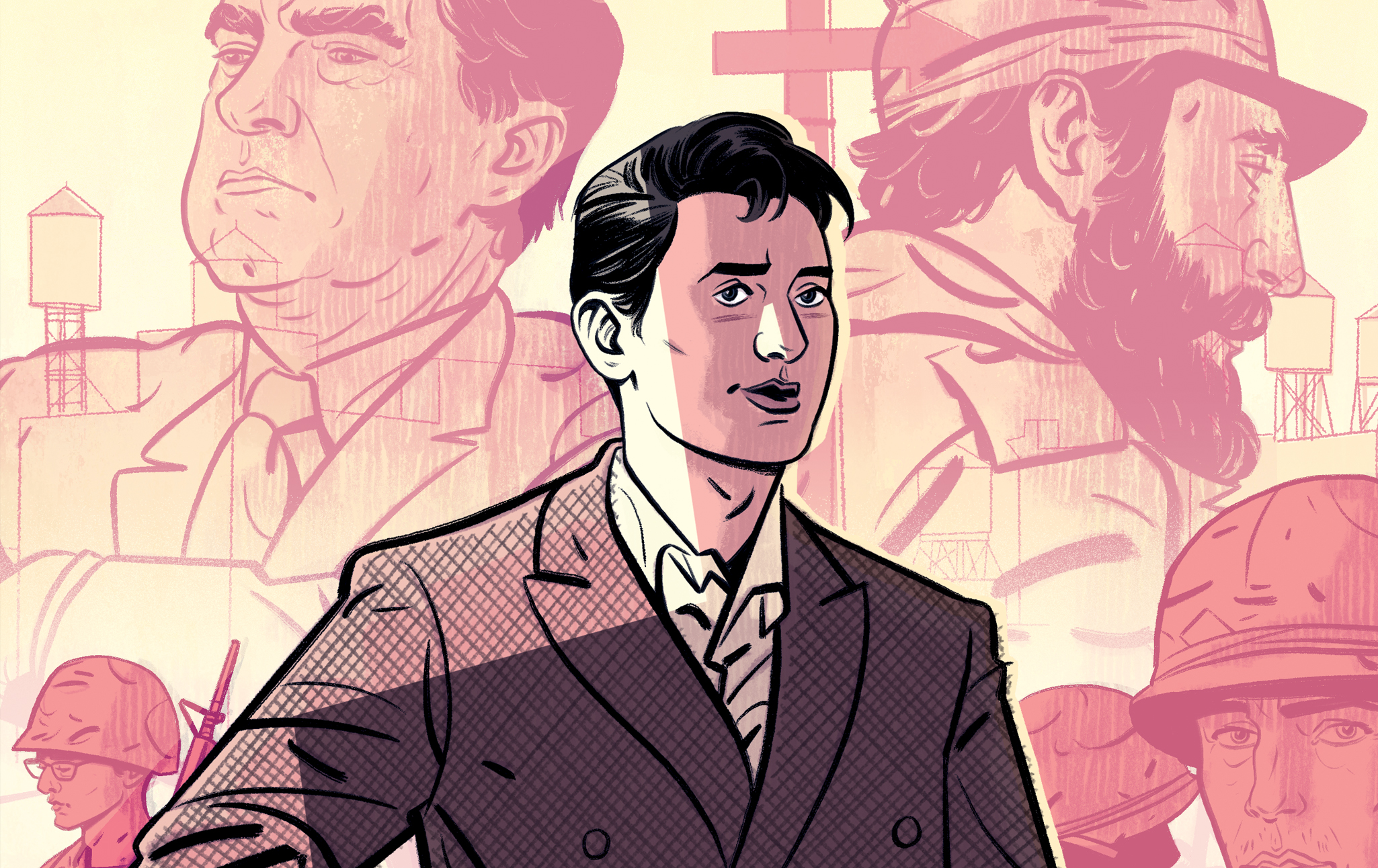
  • Saudi Arabia Arrests 127 in Ongoing Anti-Corruption Campaign

    Saudi Arabia arrested 127 people on suspicion of corruption in January, some of whom were later released on bail, as part of a continuing anti-graft campaign, the Oversight and Anti-Corruption Authority said.

    The authority, known as Nazaha, said it carried out 1,543 monitoring rounds and investigated 383 suspects across government entities during the month, citing allegations including bribery, abuse of authority and misuse of public funds.

    Saudi Arabia’s anti-corruption drive drew global attention in 2017, when senior princes, officials and businessmen were detained in a high-profile purge that authorities said recovered more than $100 billion through settlements. Since then, enforcement has shifted toward routine oversight and regular disclosures focusing largely on mid-level officials.